
The Pearl and the Pixel
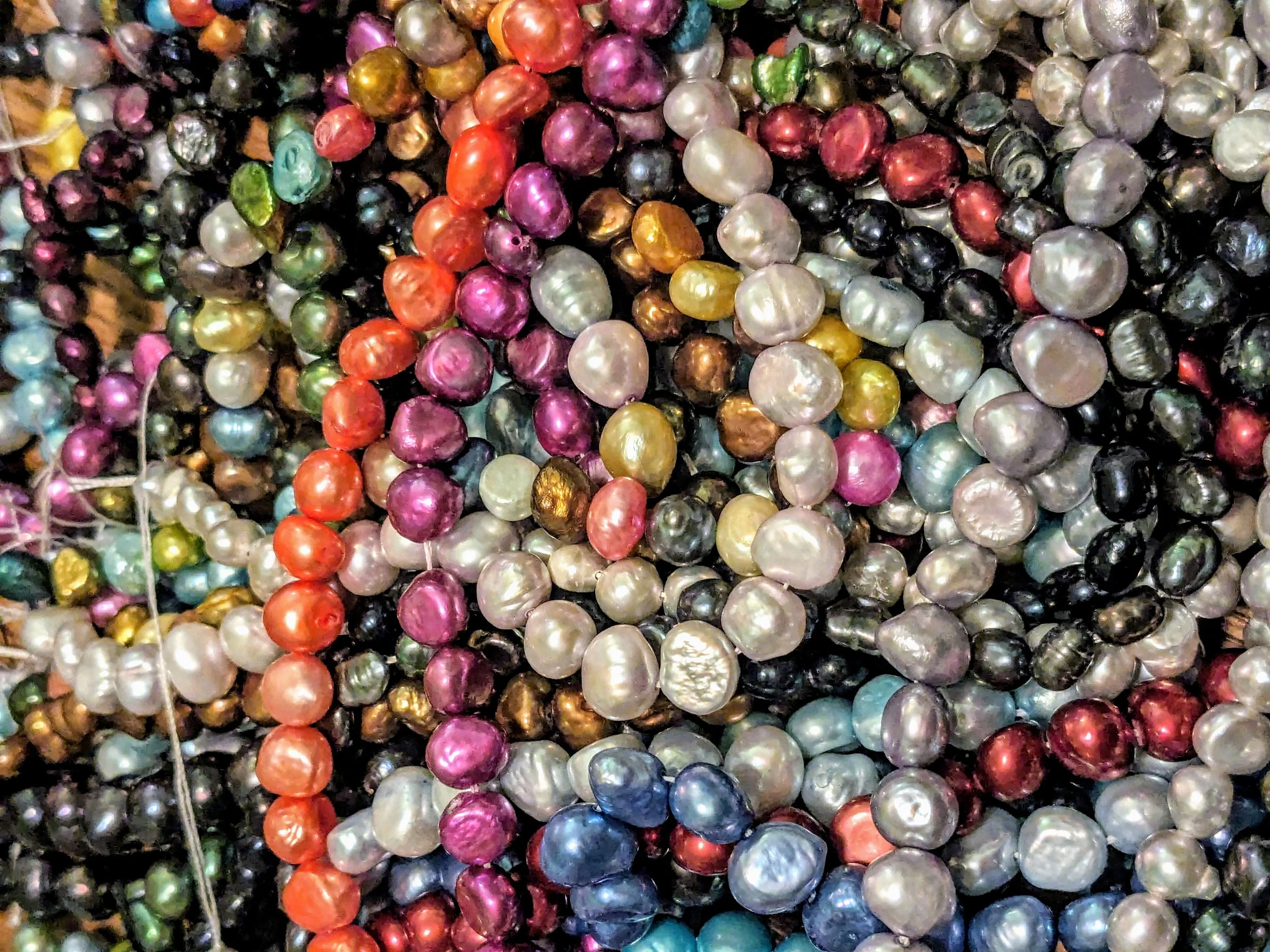
Despite being addicted to my smartphone, I am, at my core, an analogue creature. I have no allegiance to this digital dopamine dispenser. It’s just a means towards an end, towards a preferred neurotransmitter. Perhaps this lack of fealty to my various glowing screens is part of why I, personally, have never felt the pull of digital art. Oh, I get the appeal. I’m just too busy playing in the dirt for it to capture my attention for long.
But the deeper I go into the works of Vermeer, the more I have been thinking about technologies and toolings. And of course, in my contrarian and luddite way, their opposites. Why? Because Vermeer is one of the earliest artists associated with assistive drawing technologies.
Did he or didn’t he
Their whispers bouncing
softly, inappropriately
off the Do Not Touch sign
on the museum walls.
Did he or didn’t he
they inked with keyboards and quills
into journals unread, collecting dust
in the academic halls.
Ever since Vermeer’s work was rediscovered in the 19th century, the question of whether he did or did not use a camera obscura has been a point of much academic contention. A clever little device – where light passes through an aperture in a darkened box or room, projecting an image (upside down) onto the inside – the camera obscura is considered a forerunner of the camera and the optical aesthetic we associate with photography today.
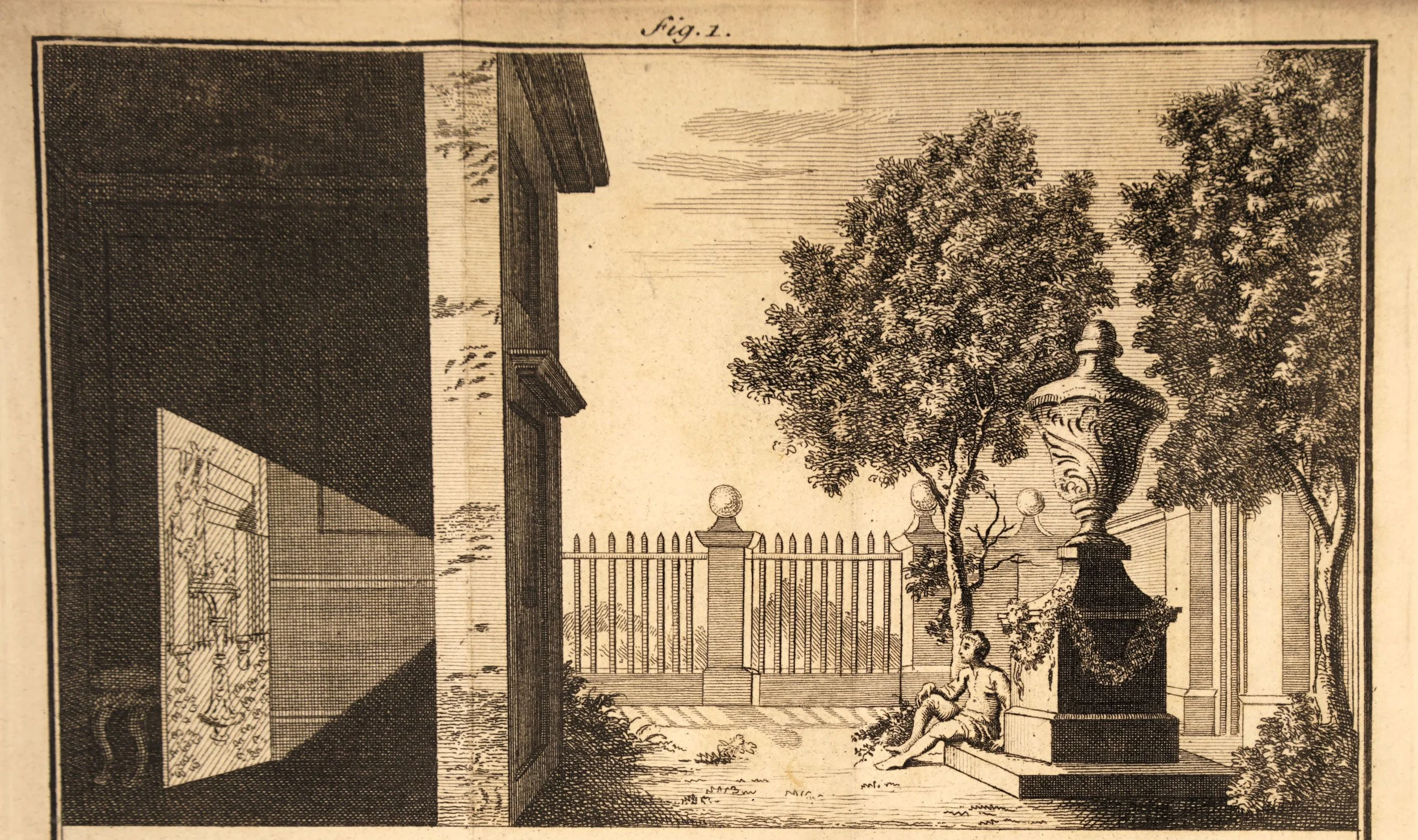
Some people see this optical aesthetic in Vermeer’s work – in the planes of focus, the pointillé highlights, the relative detail in how objects and figures are rendered, and the precise reflections and even more precise lines of his perspective. Painted over two hundred years before the invention of photography, it’s assumed this optical influence could only have come from the camera obscura.
But did he actually use one? And if so, did he use it for direct tracing or simply for aesthetic inspiration? They were certainly in circulation in the Netherlands in his time, albeit largely as a scientific curiosity. And while it’s been said that several of his contemporaries were introduced to it, there is scant proof that they were actually in use in the arts. Hell, Vermeer’s paintings are riddled with tiny pricks – evidence that he was using pins and strings to map his perspective. A crude method that would not have been necessary had he been using an optical device to outline his figures.
In the end, I do not really have an opinion on whether he did or did not use a camera obscura. I don’t find the question nearly as fascinating as what the techno-reverence behind it says about our larger relationship to art. This is the energy I have tried to bring to the Pixelated Pearl Vermeers.

These are purposefully pixel art pieces. Not pointillism pieces – but pixel art pieces with all the digital connotations that word implies. To make them I find photos of the originals on the web and feed them into GIMP, using the software to pixelate them. These pixel art renditions are then printed out and used as the guide for choosing, placing, and pinning the pearls.
1 pixel = 1 pearl.
A laborious, expensive, and aggressively physical method of reinterpreting the computer’s output. Like Vermeer and the camera obscura, yes, I could do this whole process by hand. The computer is not necessary in this equation, but I like the creative parallels to Vermeer’s mythos and the way it brings a symmetry to the long and twisted digital paths his pieces have walked.
For the camera obscura introduced 17th century artists to a new aesthetic. To a new visual language of light and lines and focus that they then translated onto canvas. A three-dimensional subject rendered flat by the lens and then reinterpreted a second, equally flat time by brush and paint. My process continues that chain of dimensional custody, but inverts it at the last step. Tripping through a cascade of 2D renditions, only to thrust the subject back into the 3D world at the very end.
Subject – Camera Obscura – Painting — Photograph – Digital Image – Pixelated Image – Printed Image – Subject
Pearls annihilate the digital object by returning its volume, its substance. Bookending all those bytes and brushstrokes in the firm embrace of the real. Unabashedly corporeal, they thumb their nose at the digital world by using it to undermine itself.
Also, they’re just really fucking pretty.
