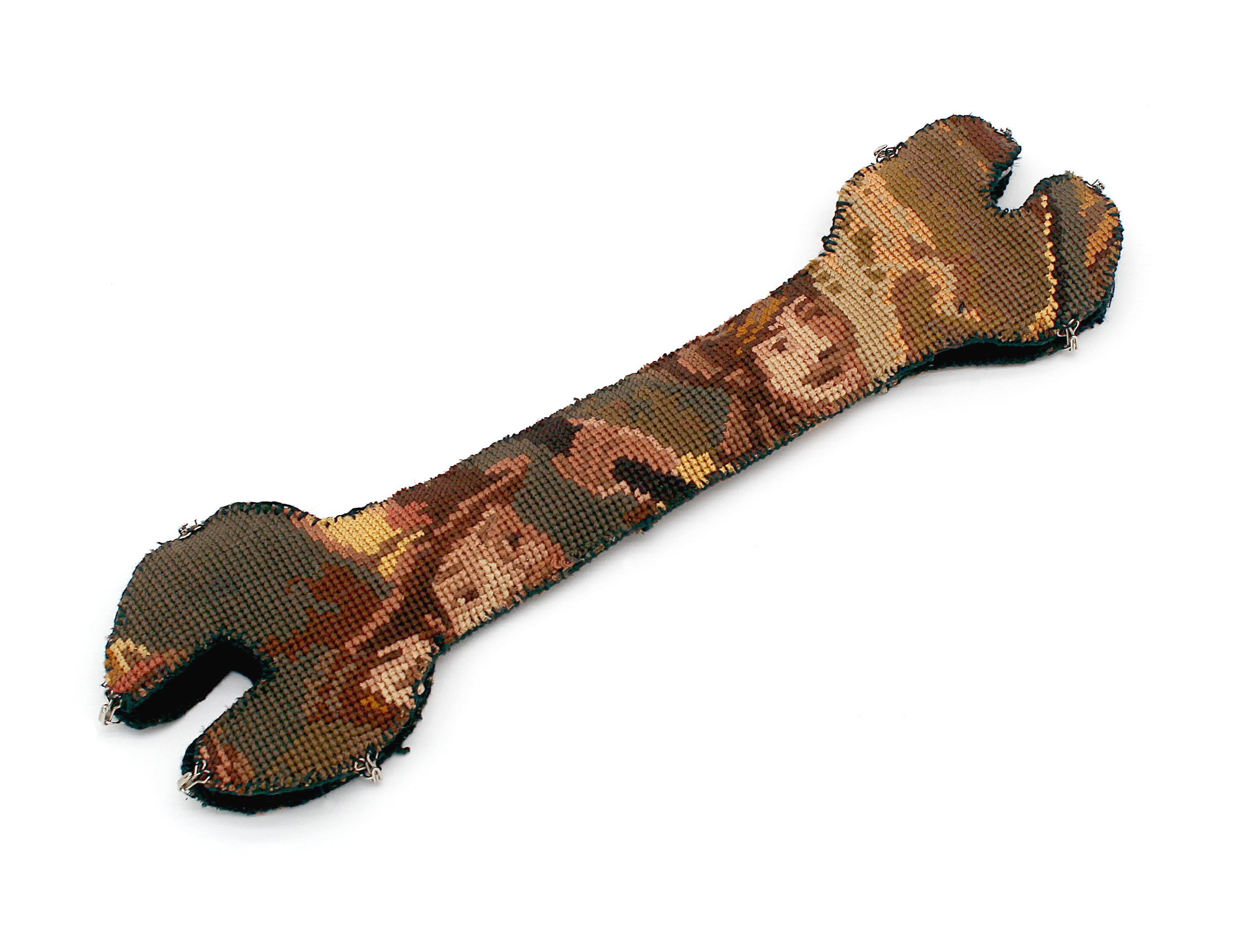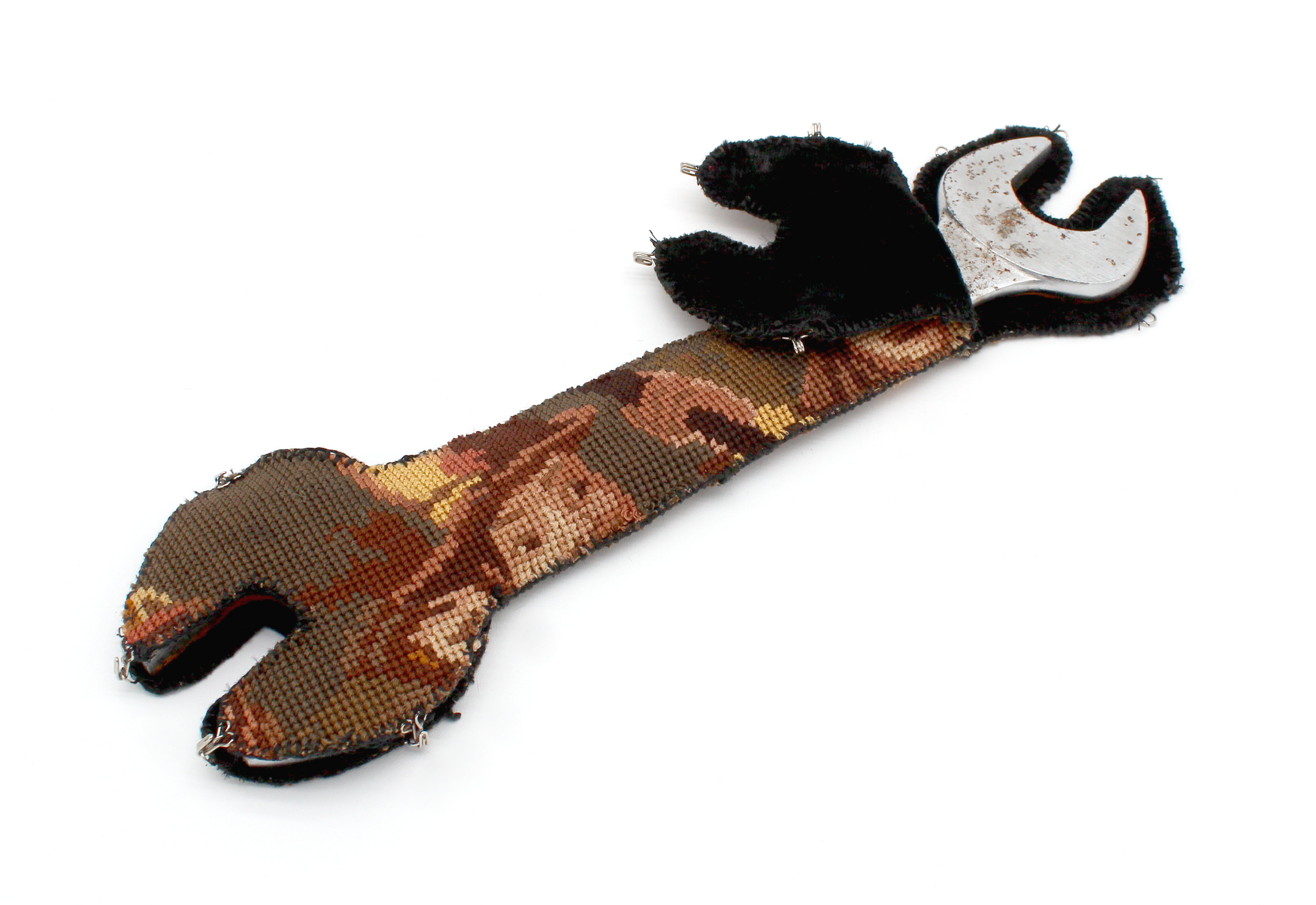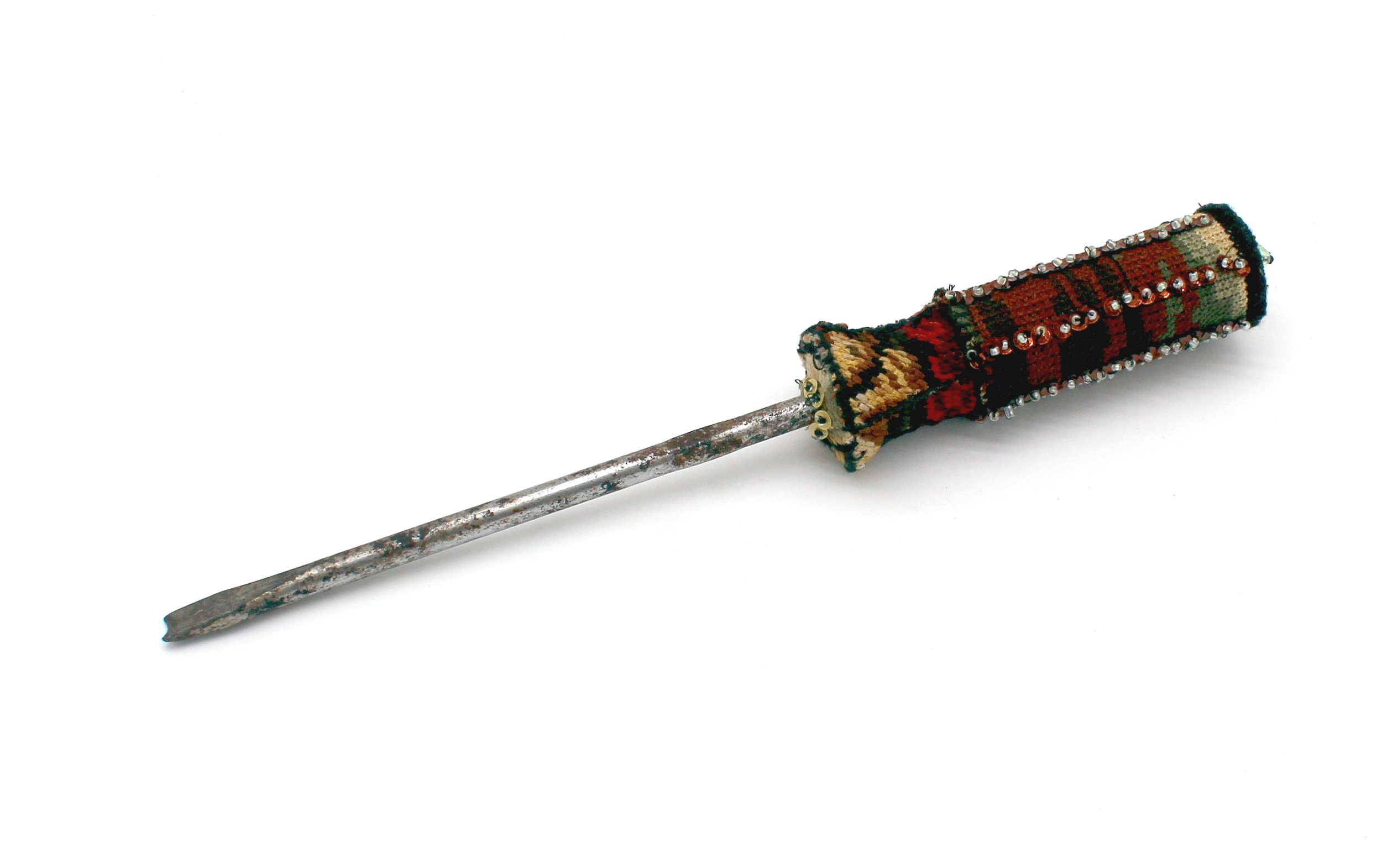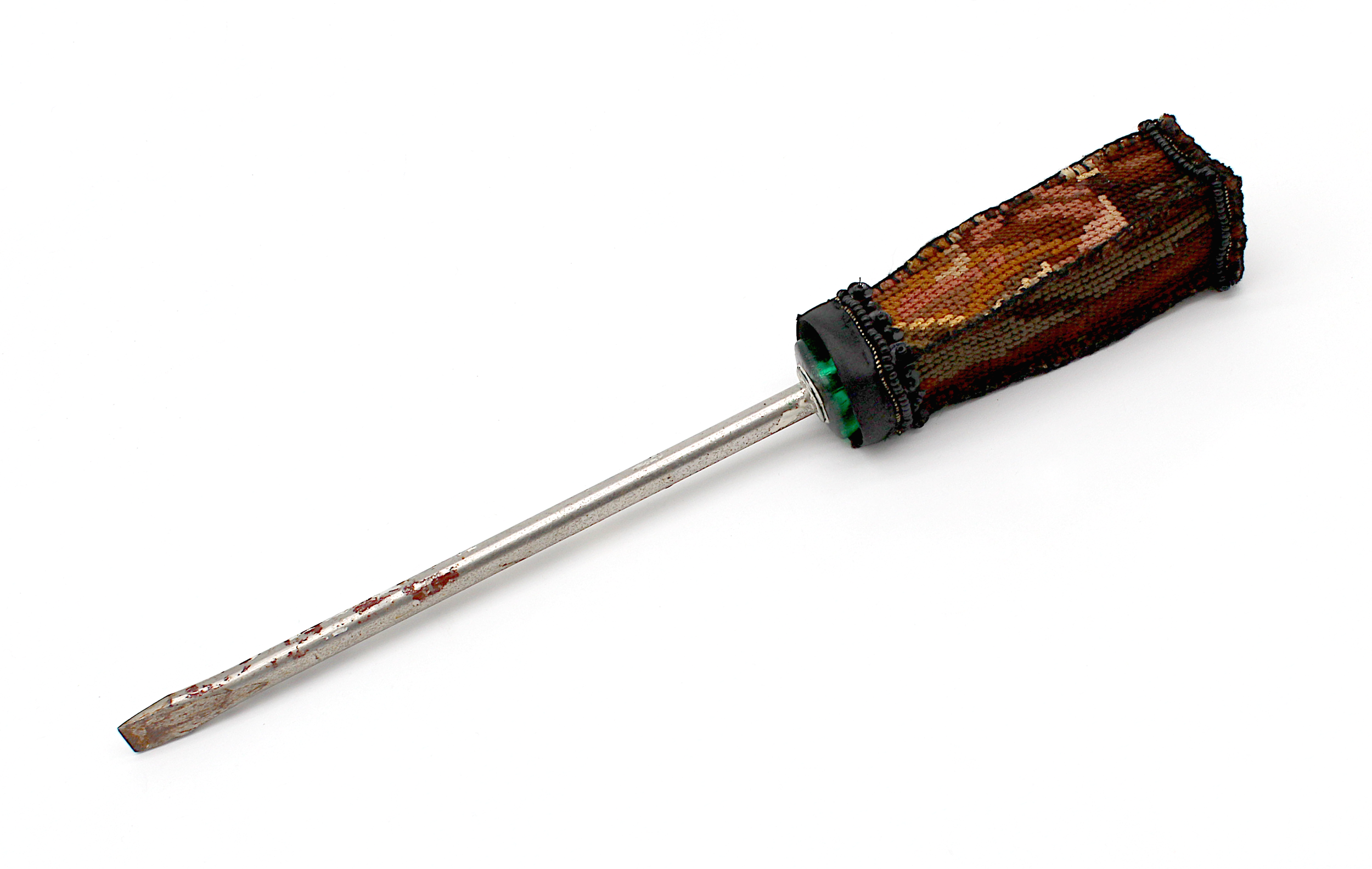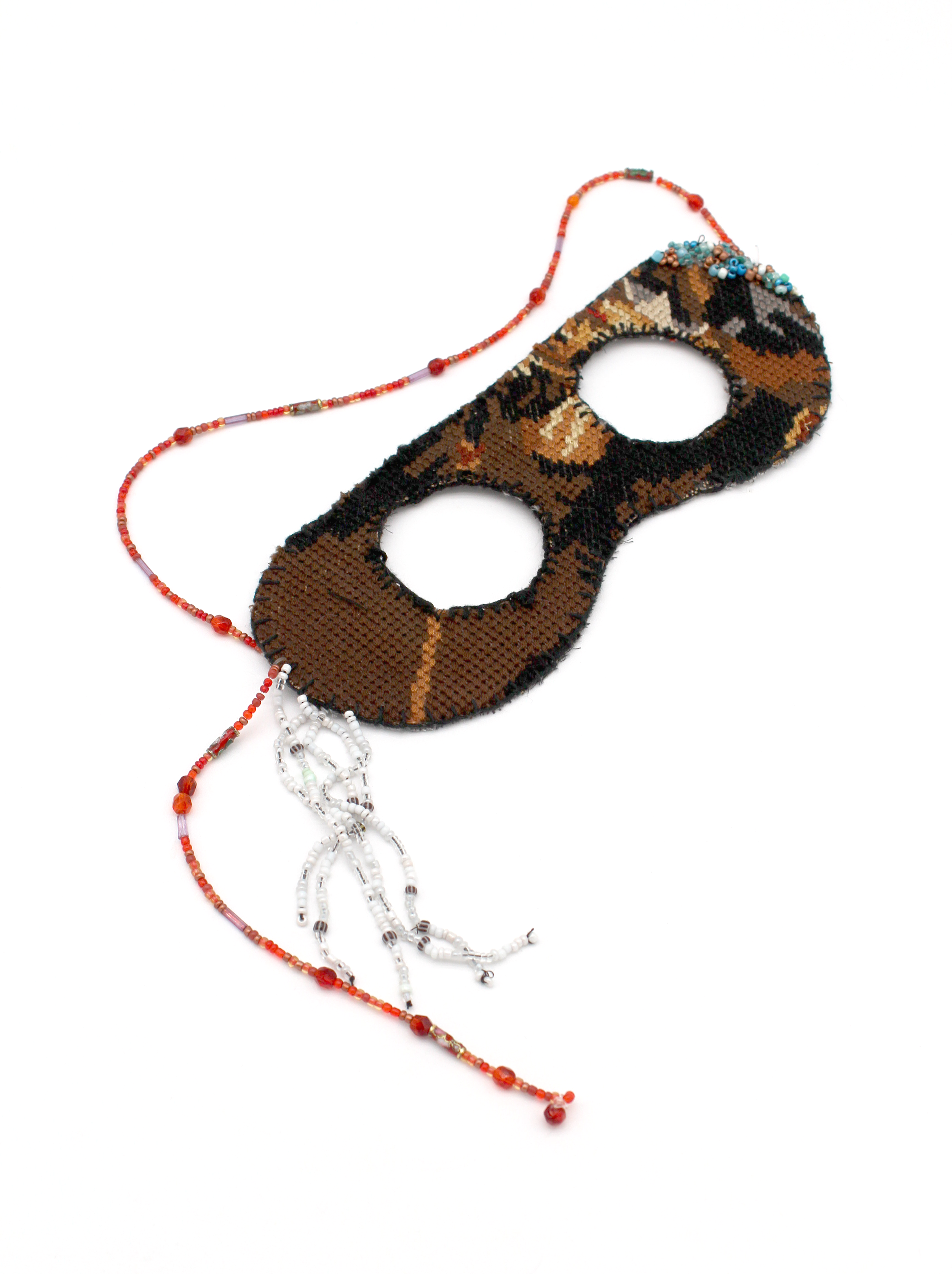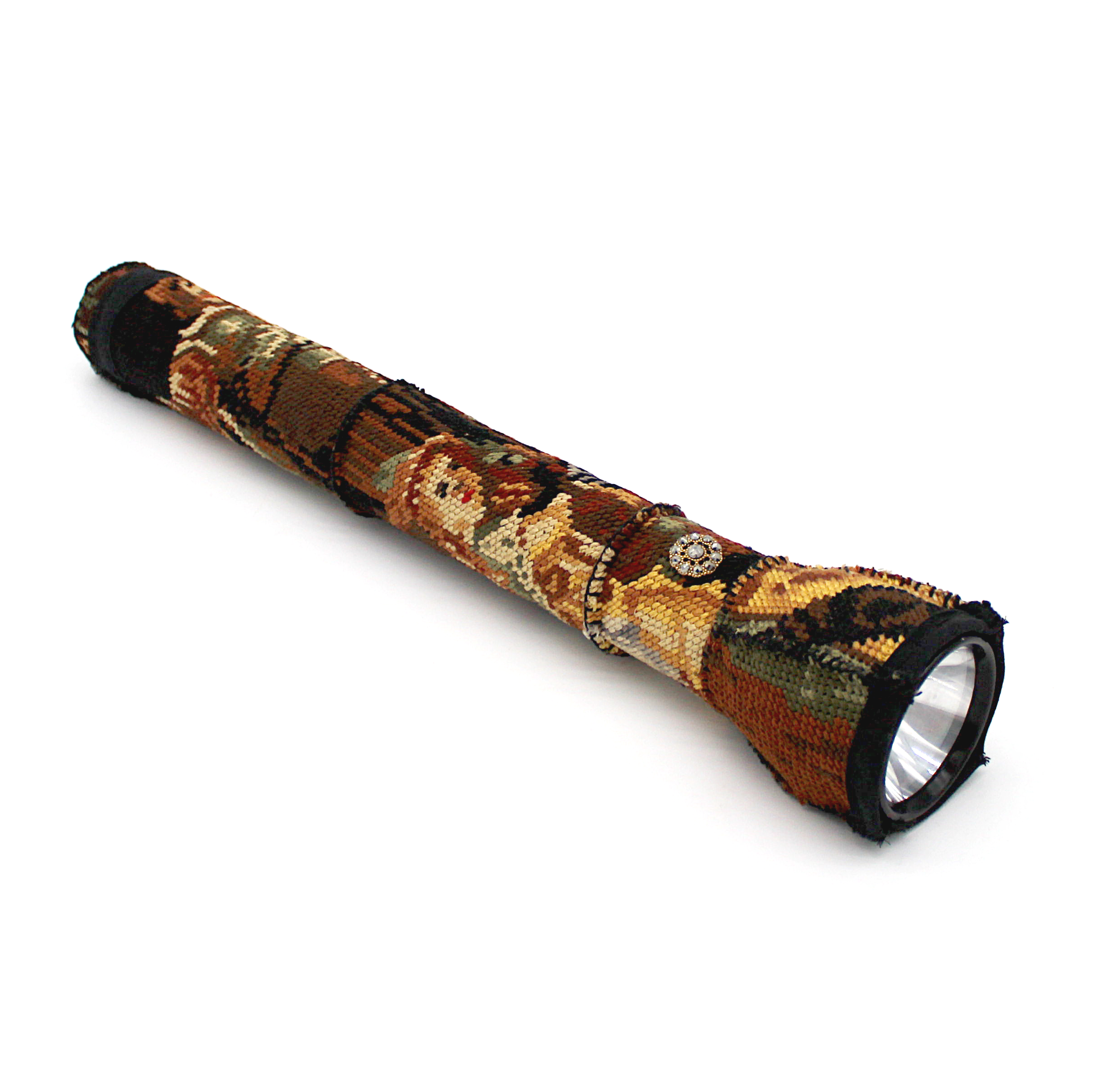
Night Watch Burglary Tools
Exploring security theater, the fear of loss, and Rembrandt’s the Night Watch by Kasey Smith
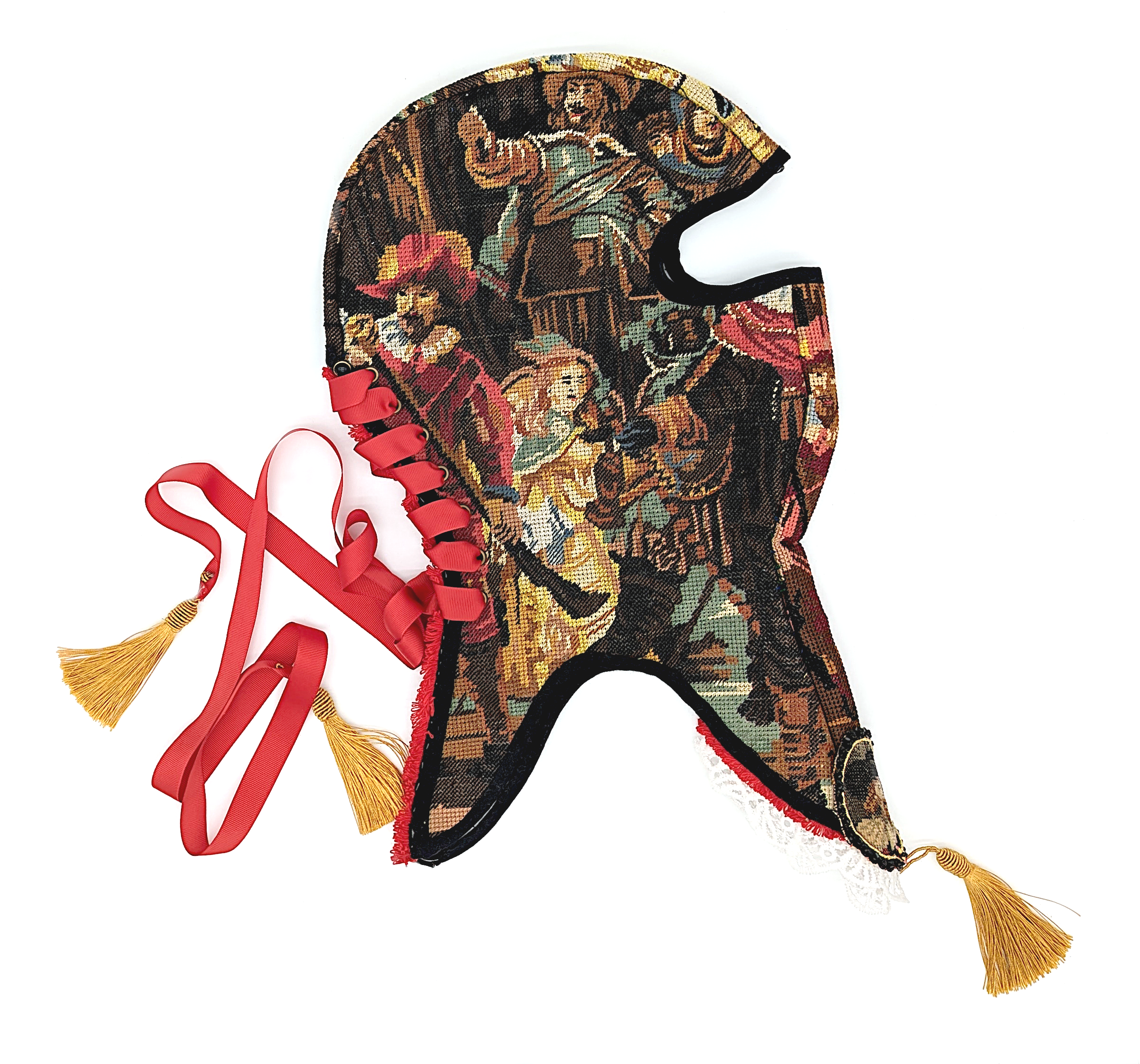
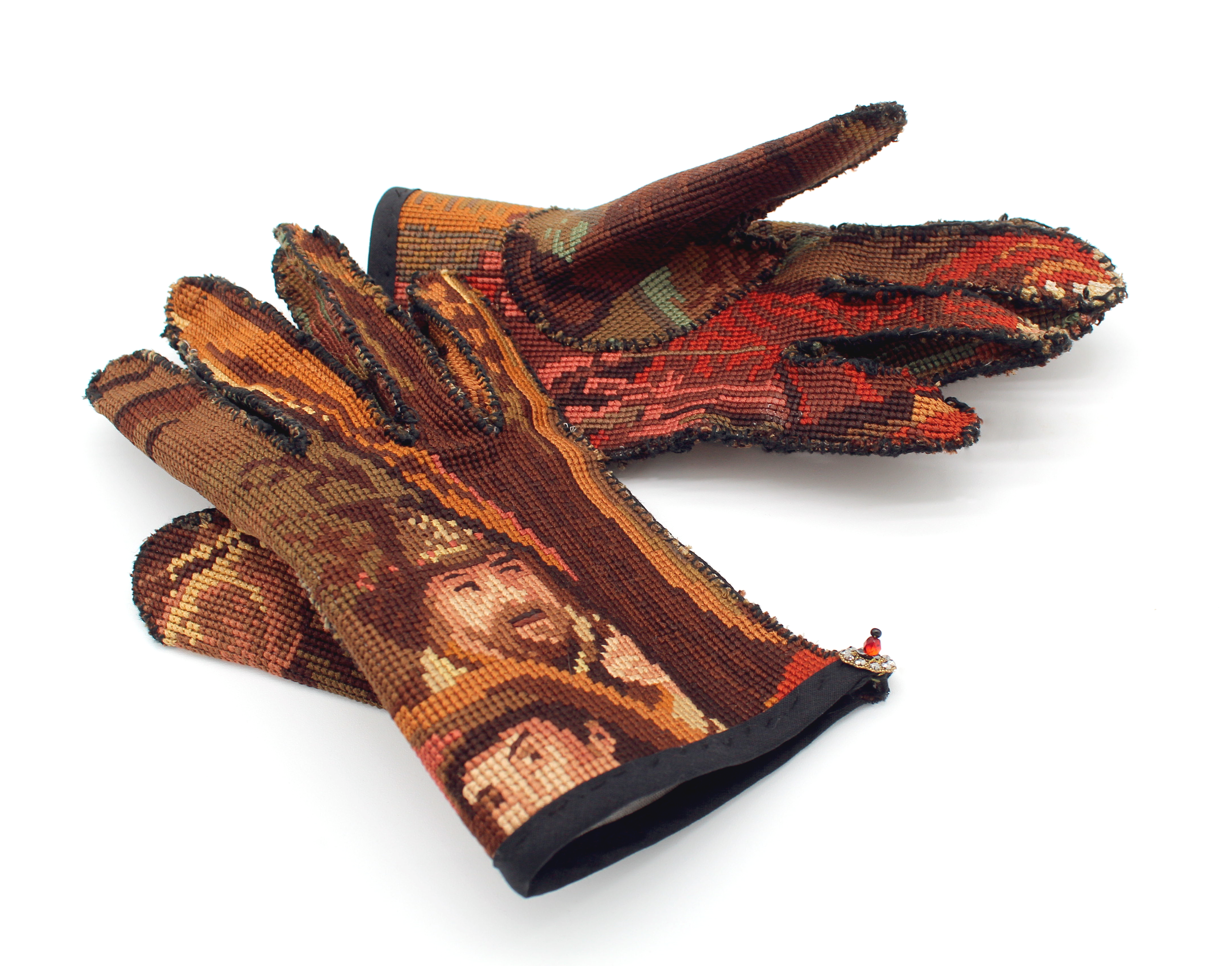
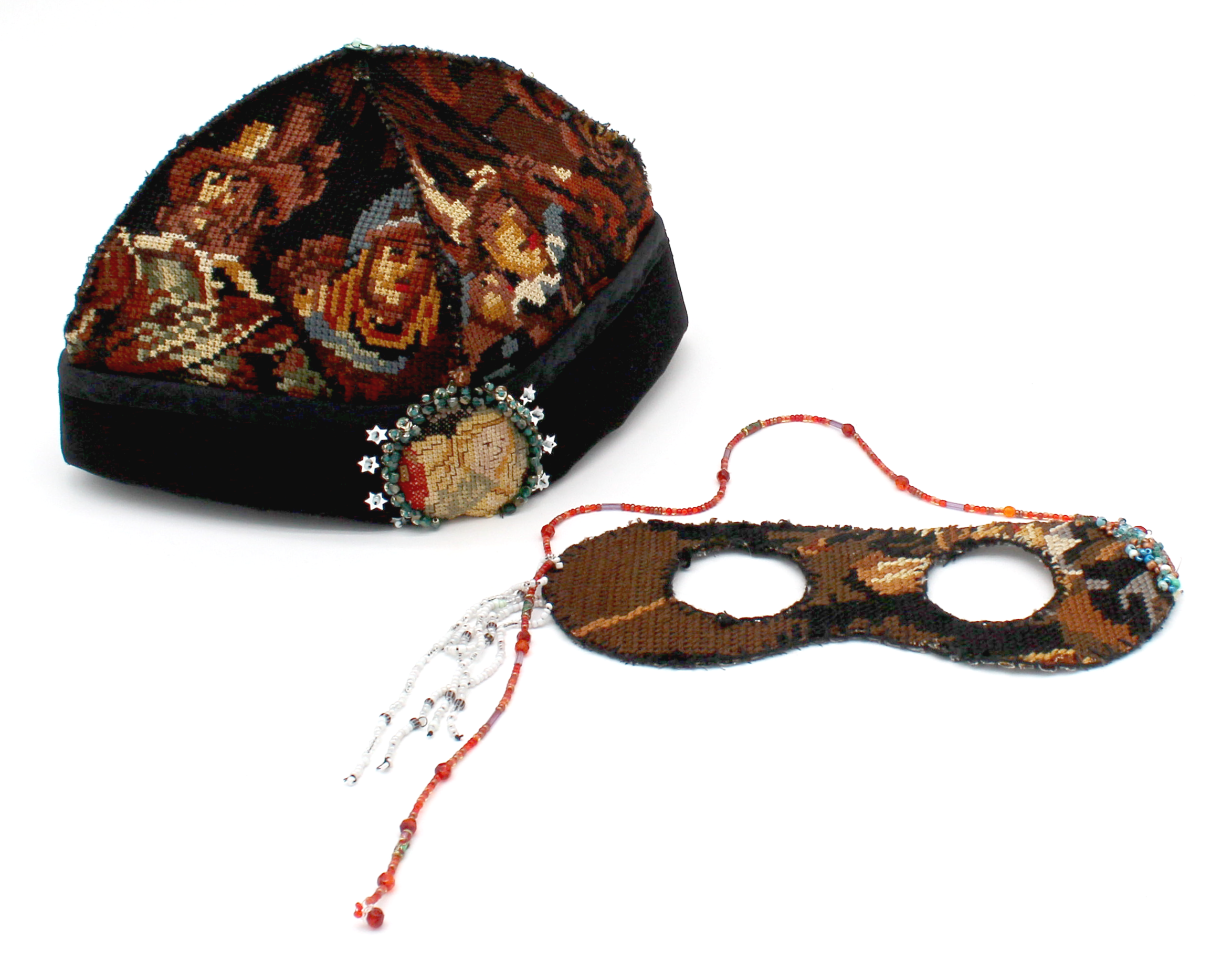
Balaclava of Captain Frans Banninck Cocq
The Night Watch was a commission painted in 1642 by the Dutch master Rembrandt van Rijn. It depicts Amsterdam’s Militia Company of District II as they are about to go on duty patrolling the city. These militias — or schutterij in Dutch — were voluntary civil guards made of influential Amsterdam city elites. Intended as supplemental military support during the Eighty Years War, by the time The Night Watch was painted they had transitioned into something closer to fraternal orders – basically social clubs with weaponry.
The Night Watch is a pantomime of safety, security, and order. It captures no great deeds, only great pretenses. There are no Spanish troops to fight, but the militia goes through the symbolic motions as if there are. The projection of strength depicted by Rembrandt is twinned to an equal measure of vanity. The lace collars, the ostrich plumes, and the luxurious outfits of the two central figures are class signifiers divorced from battle readiness. They project power, but it is the power of rich, well-connected men not the power of military capability. These are weapons that have never seen blood, boots that have never seen grime, and men with the soft hands of the noble classes. The kind of men who would pay 100 guilders each to be aggrandized by one of the top artists of the era.
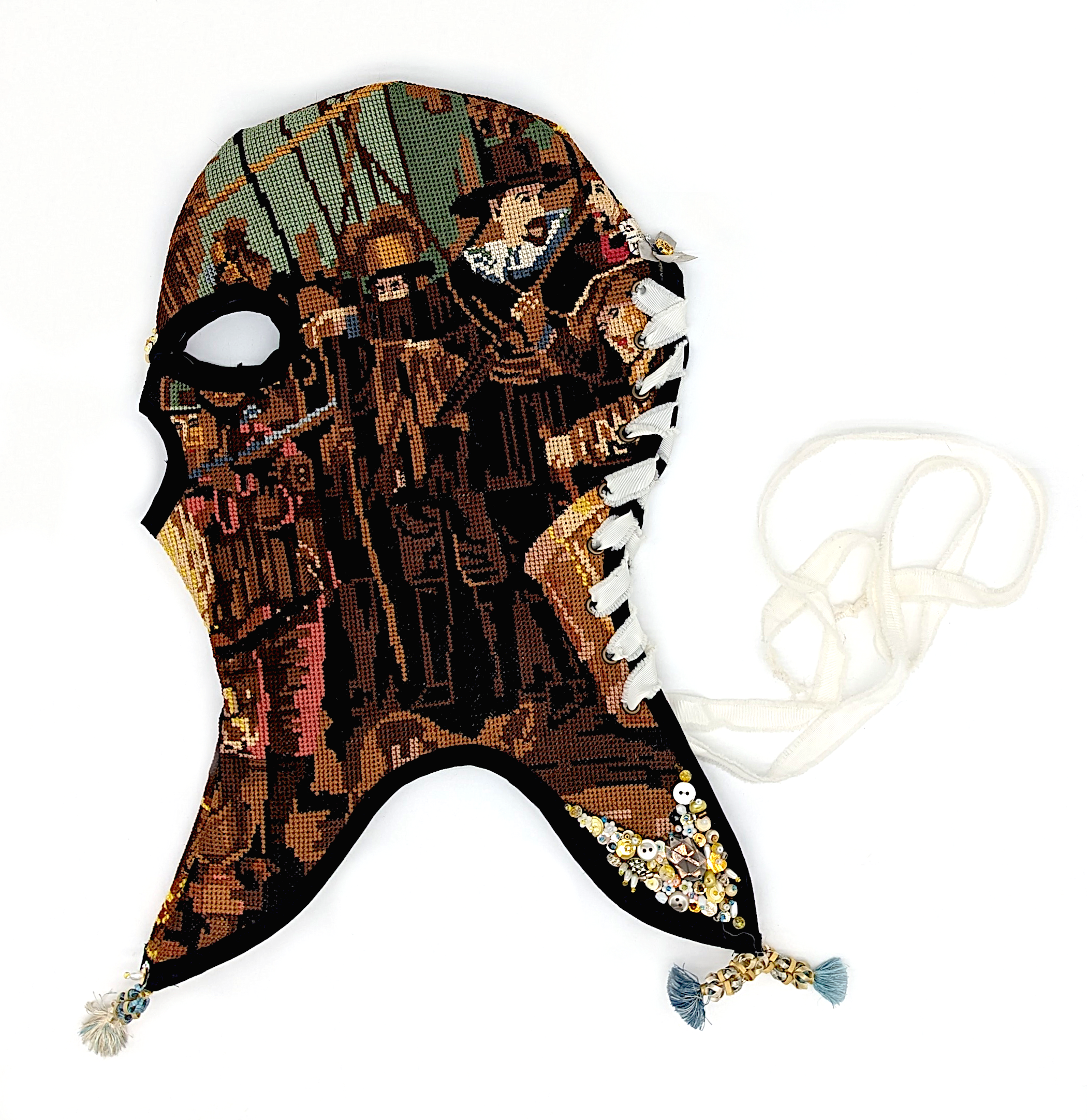
Balaclava of Lieutenant Willem van Ruytenburch
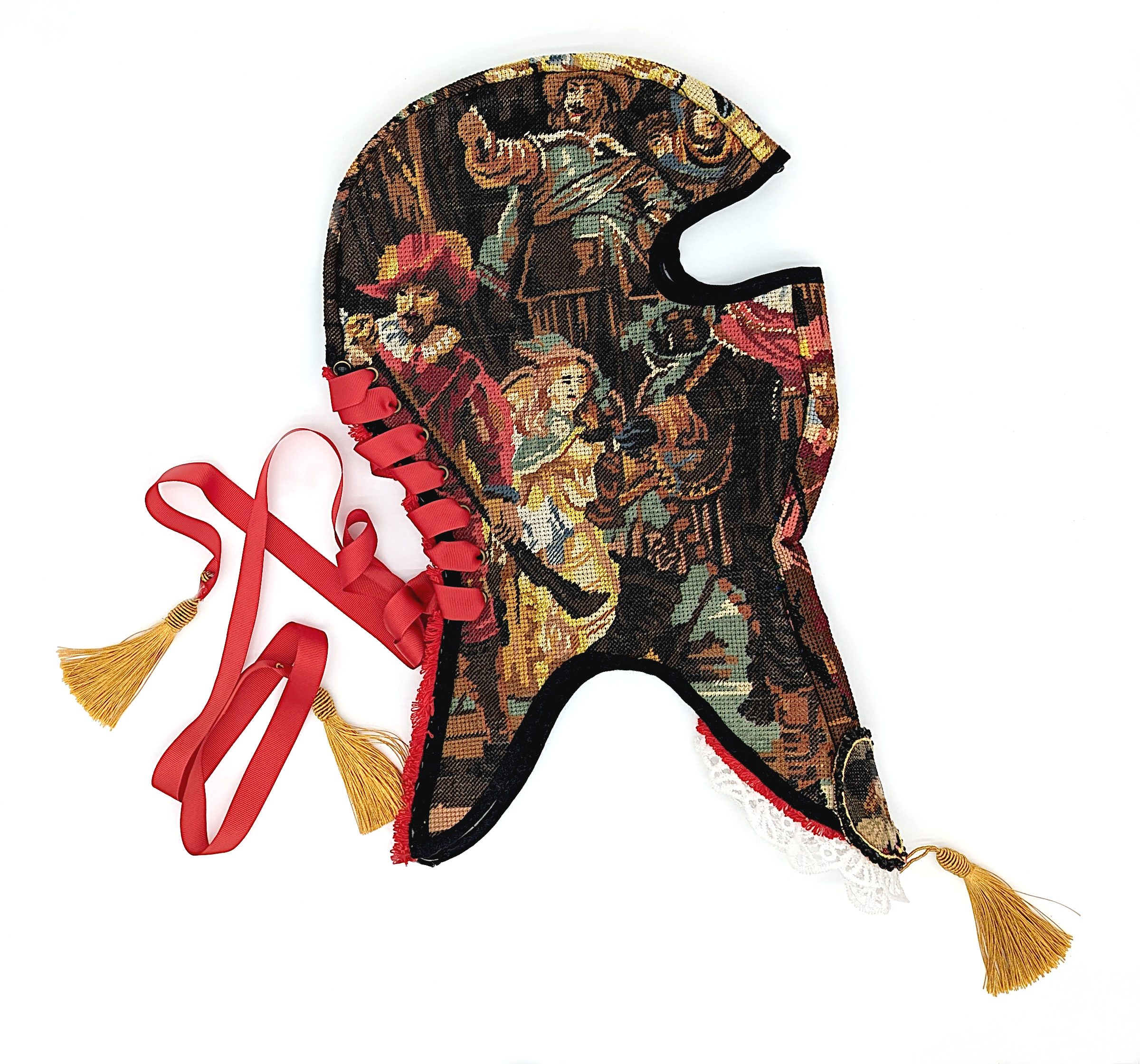
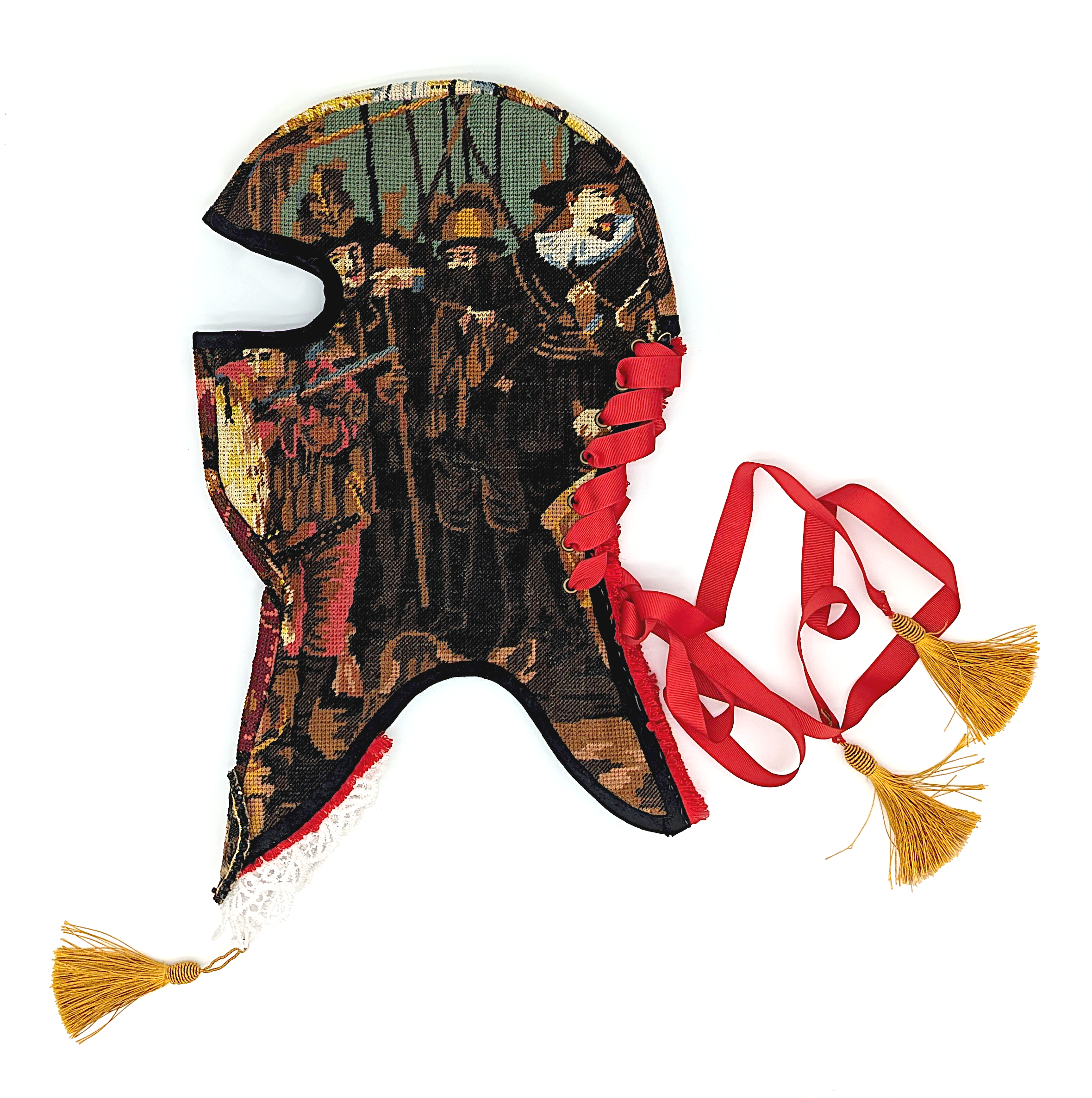
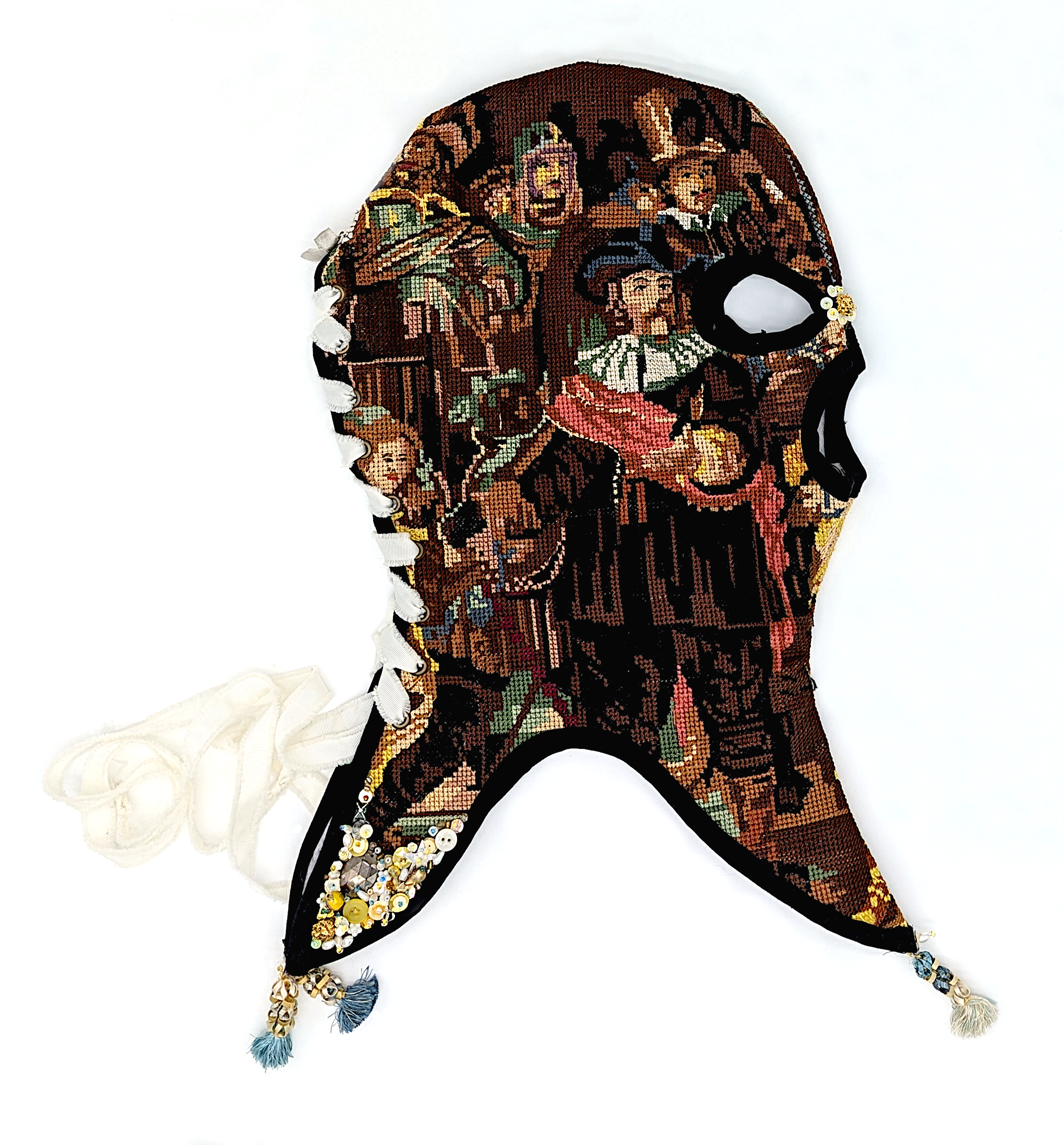
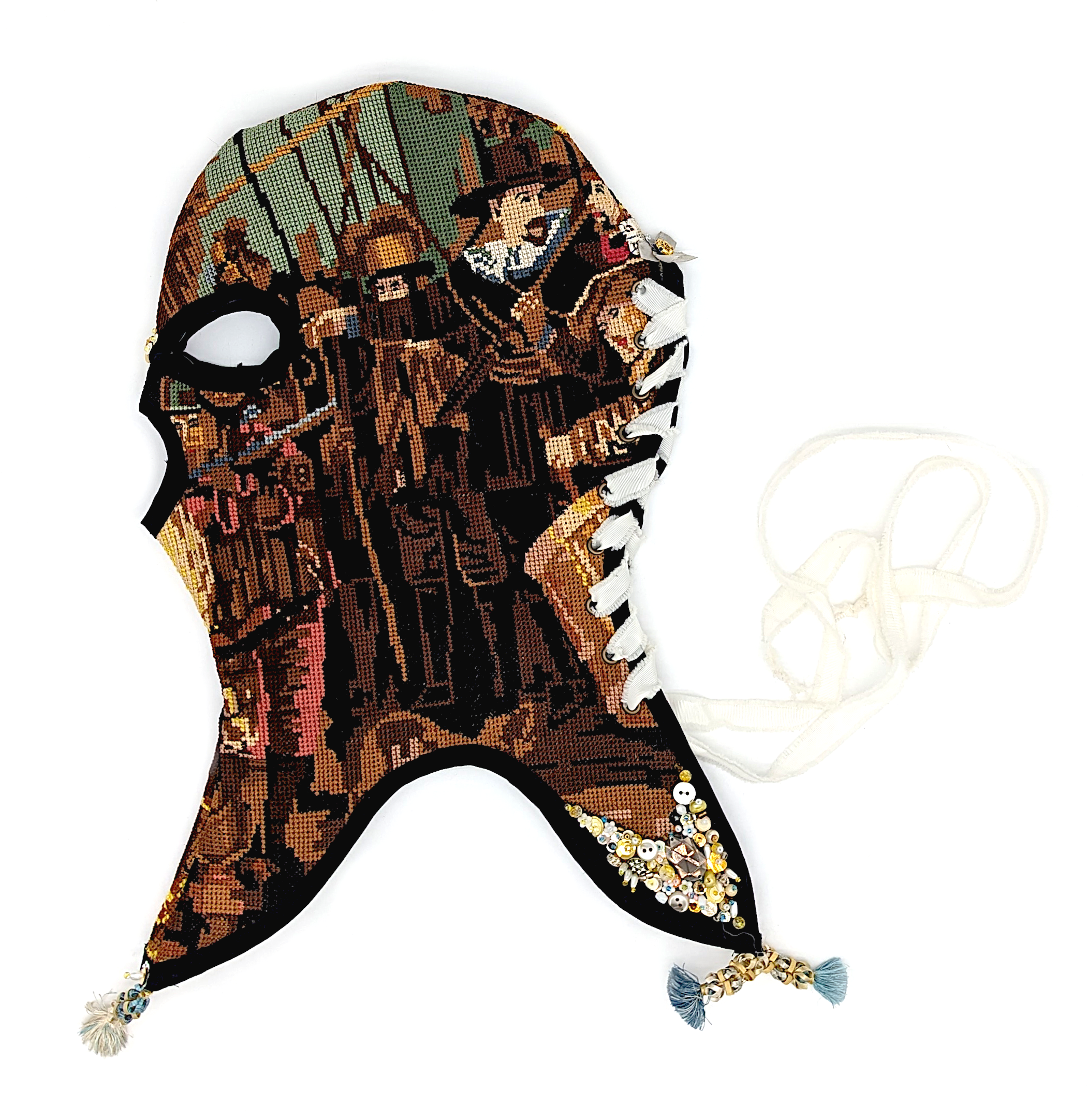
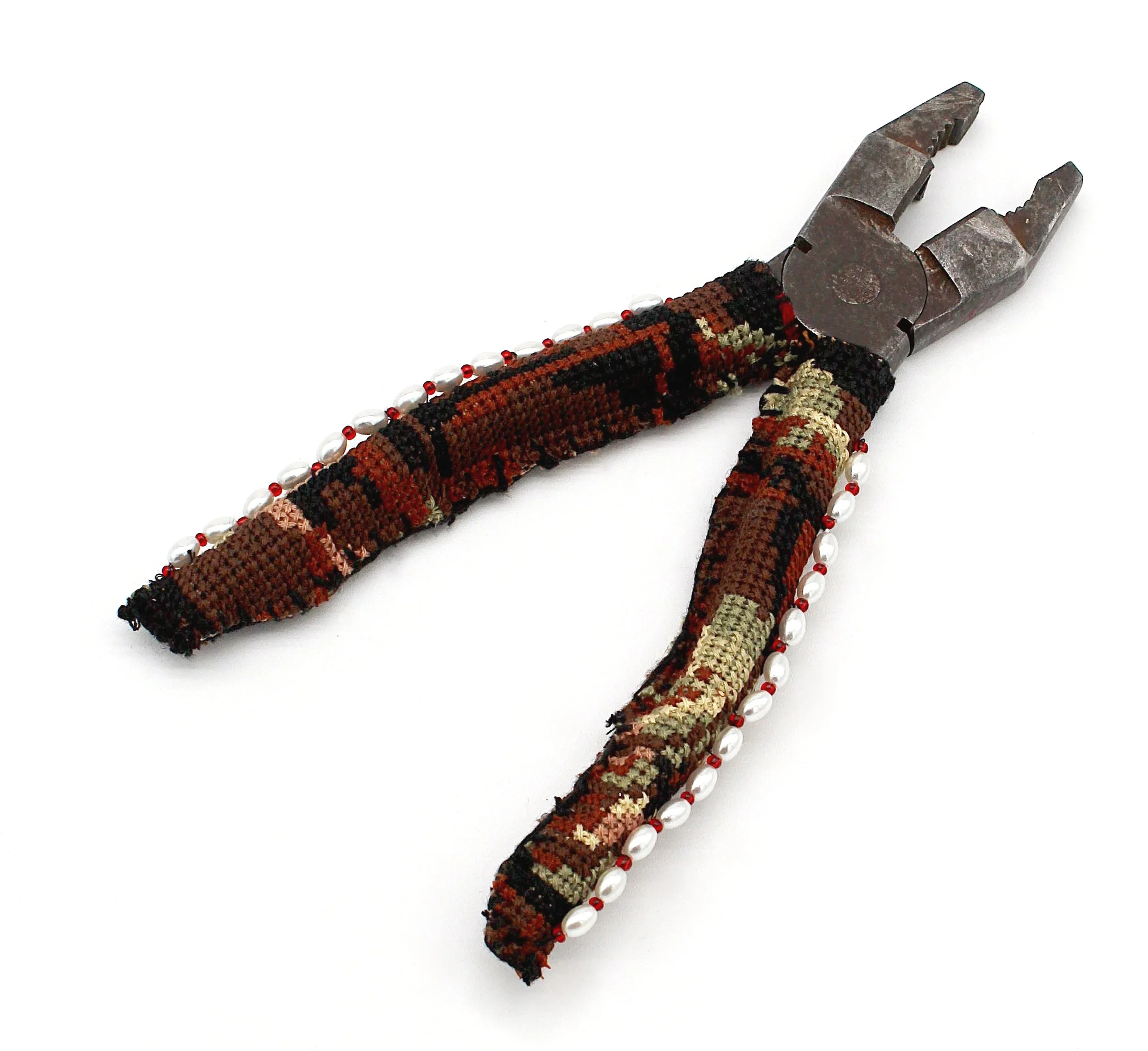
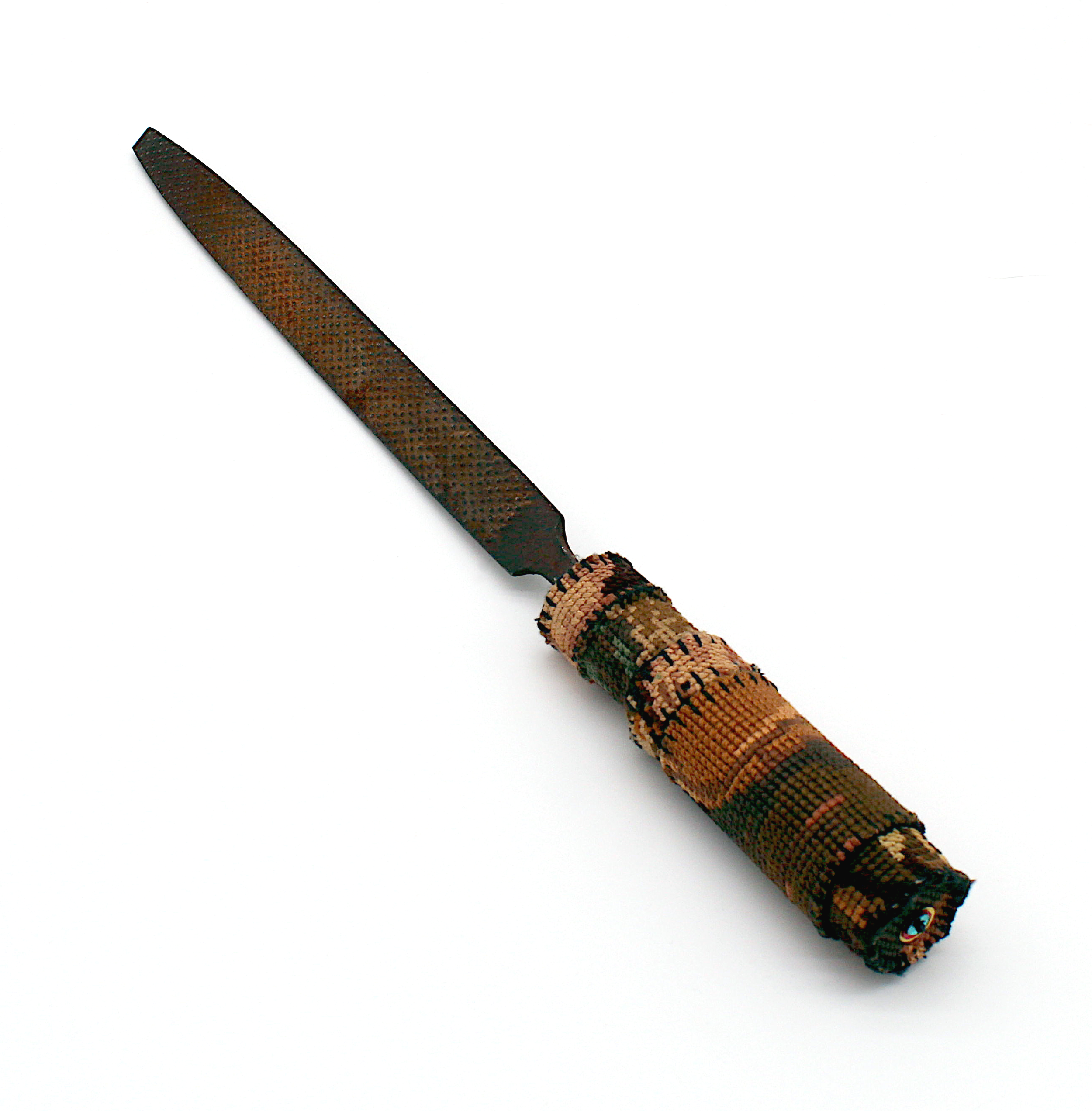
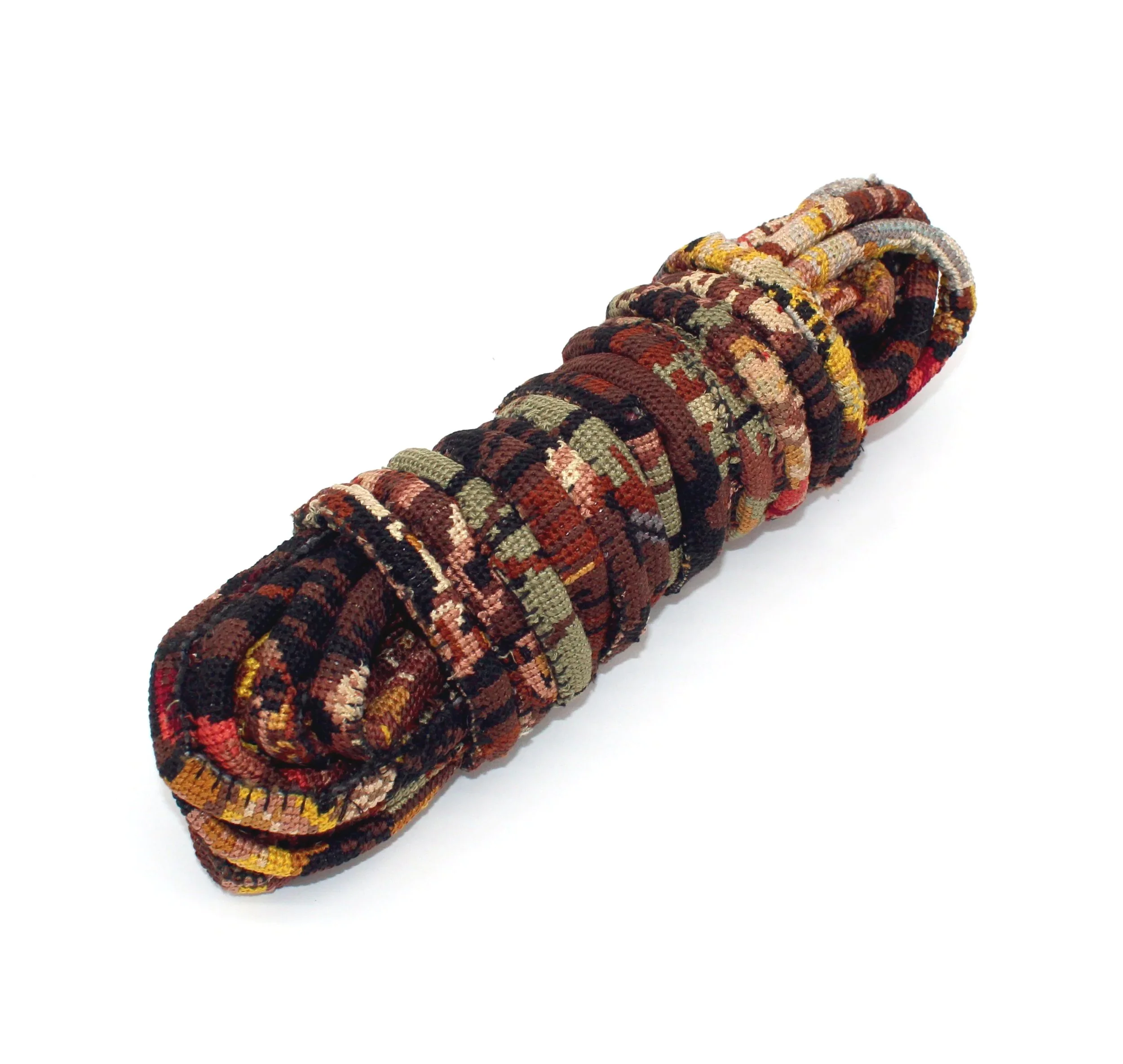
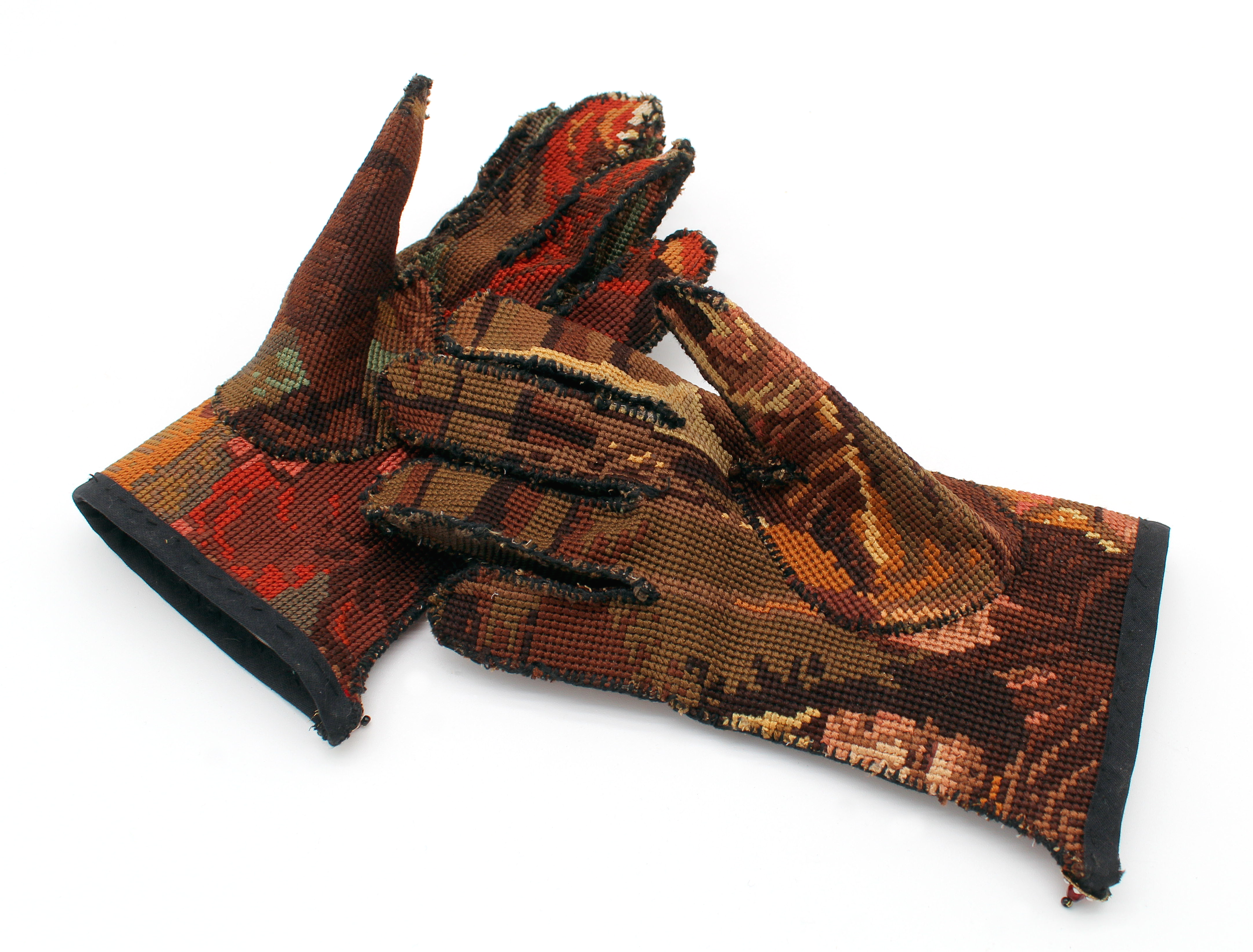
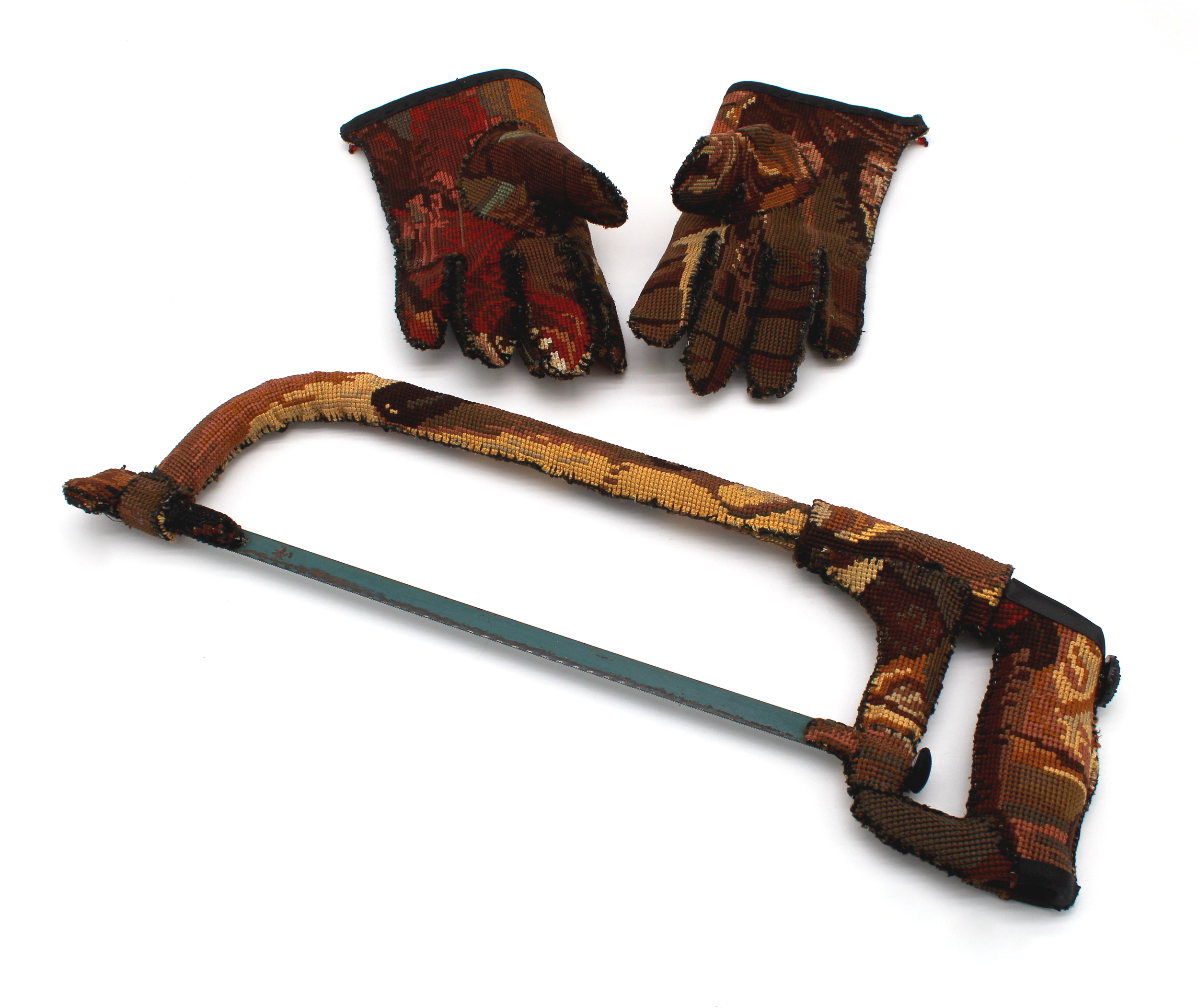
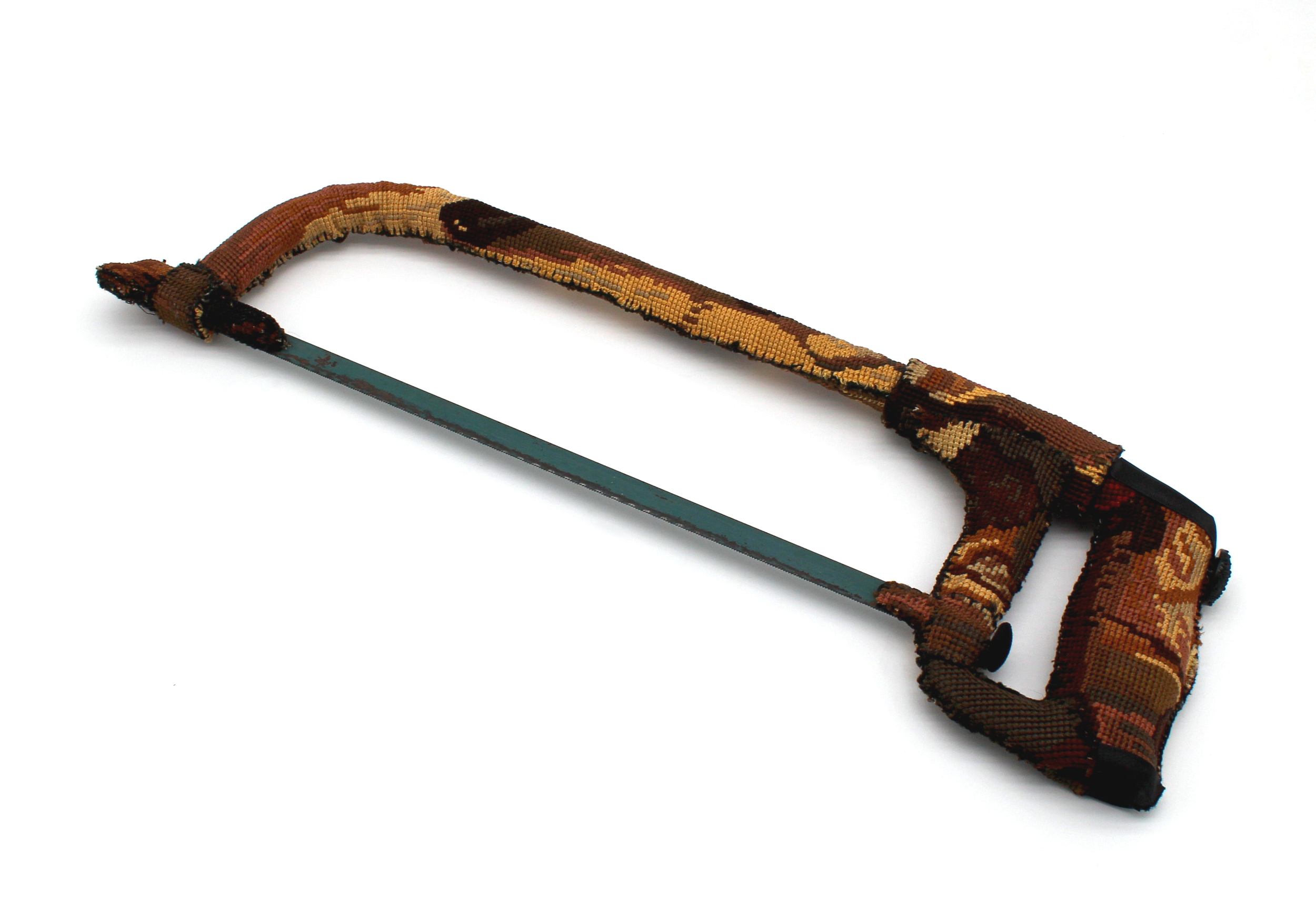
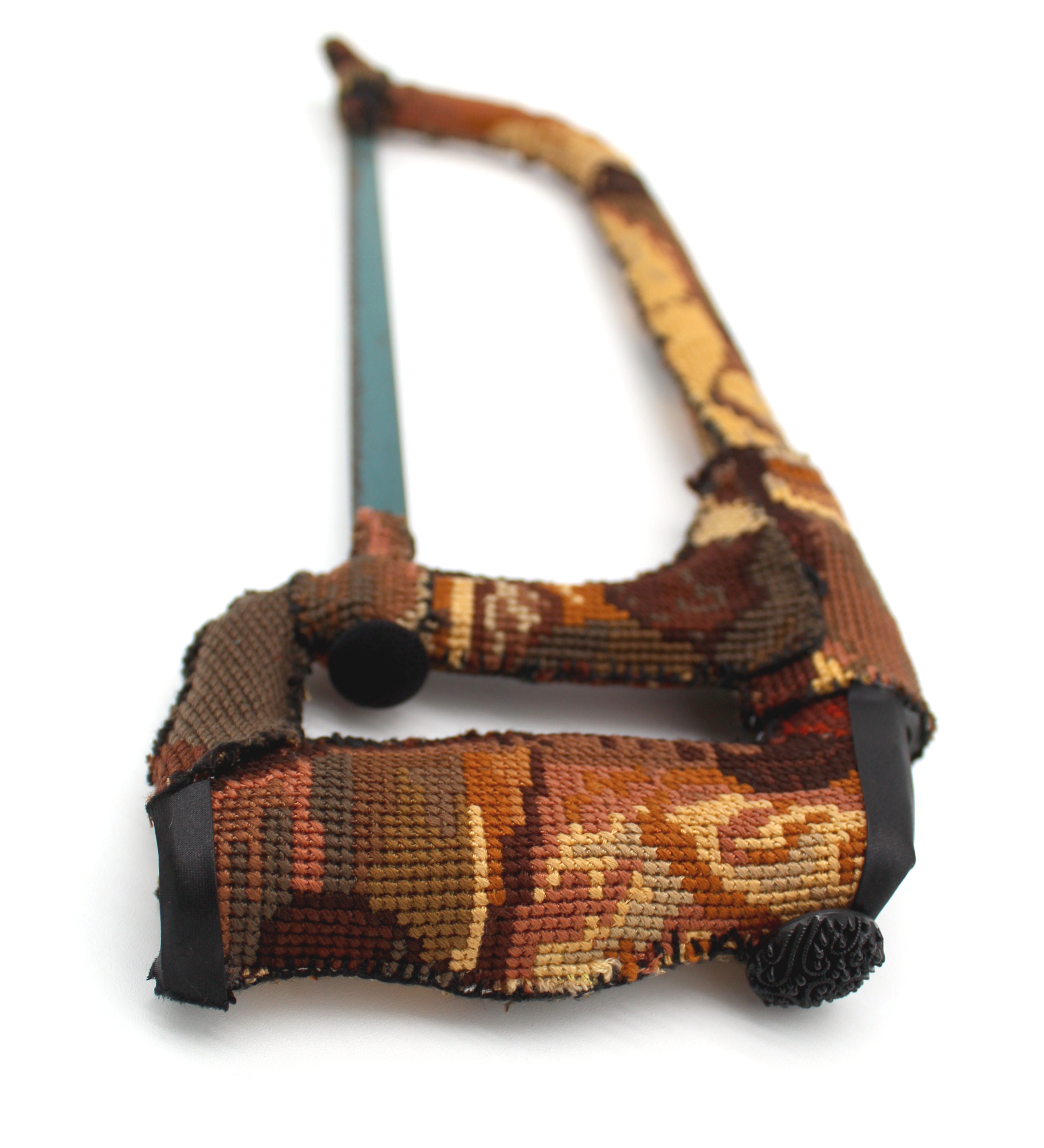
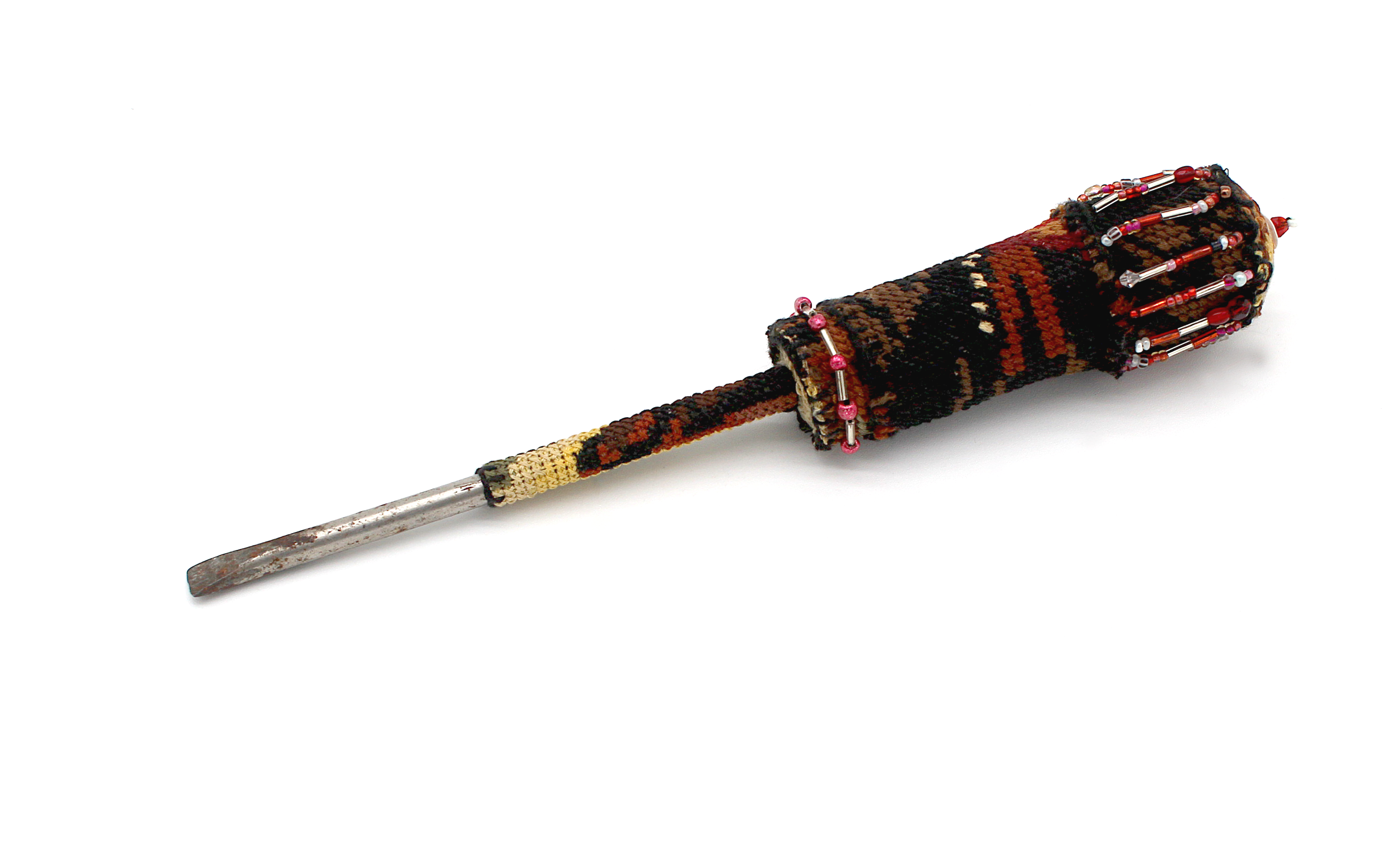
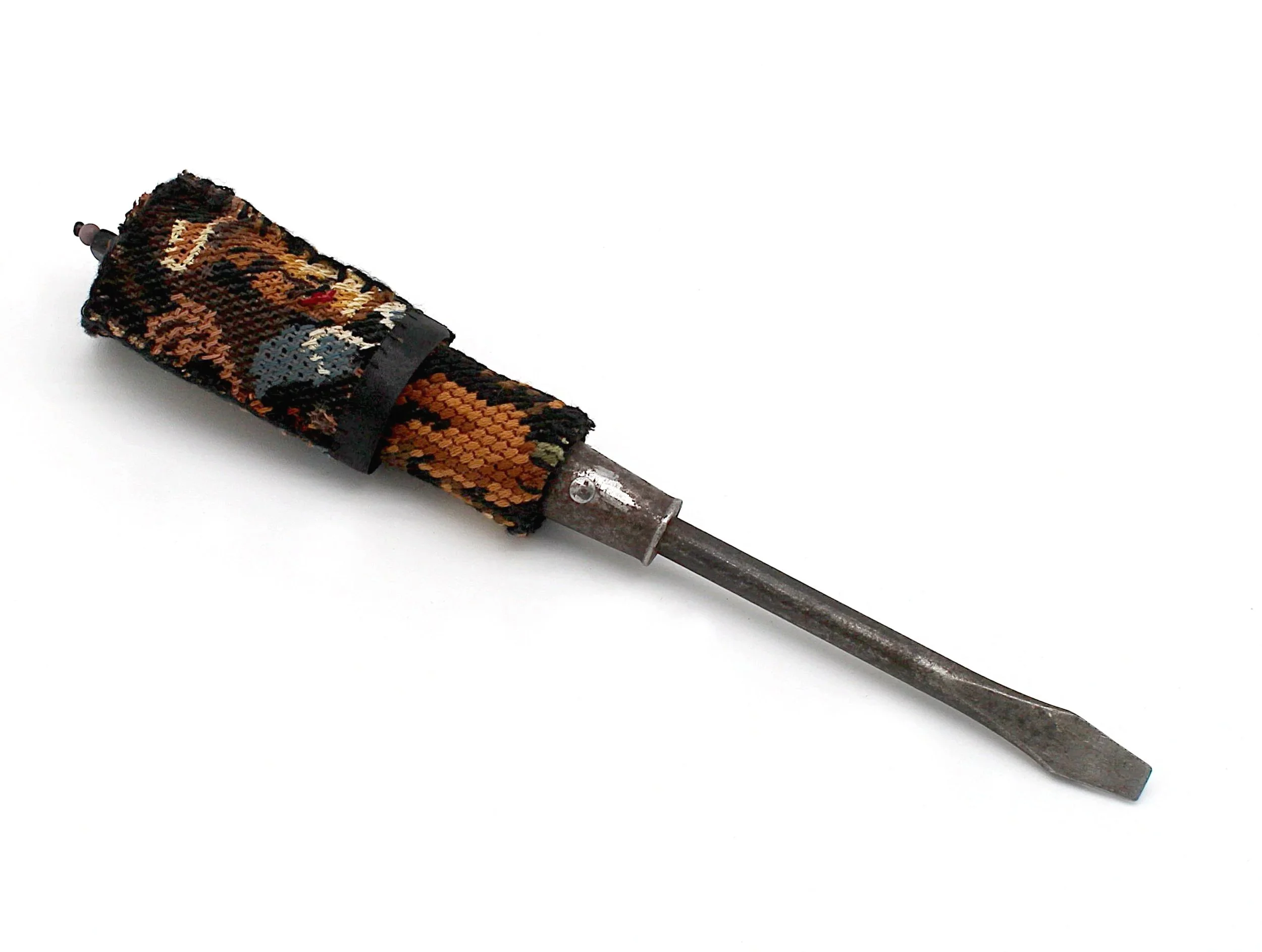
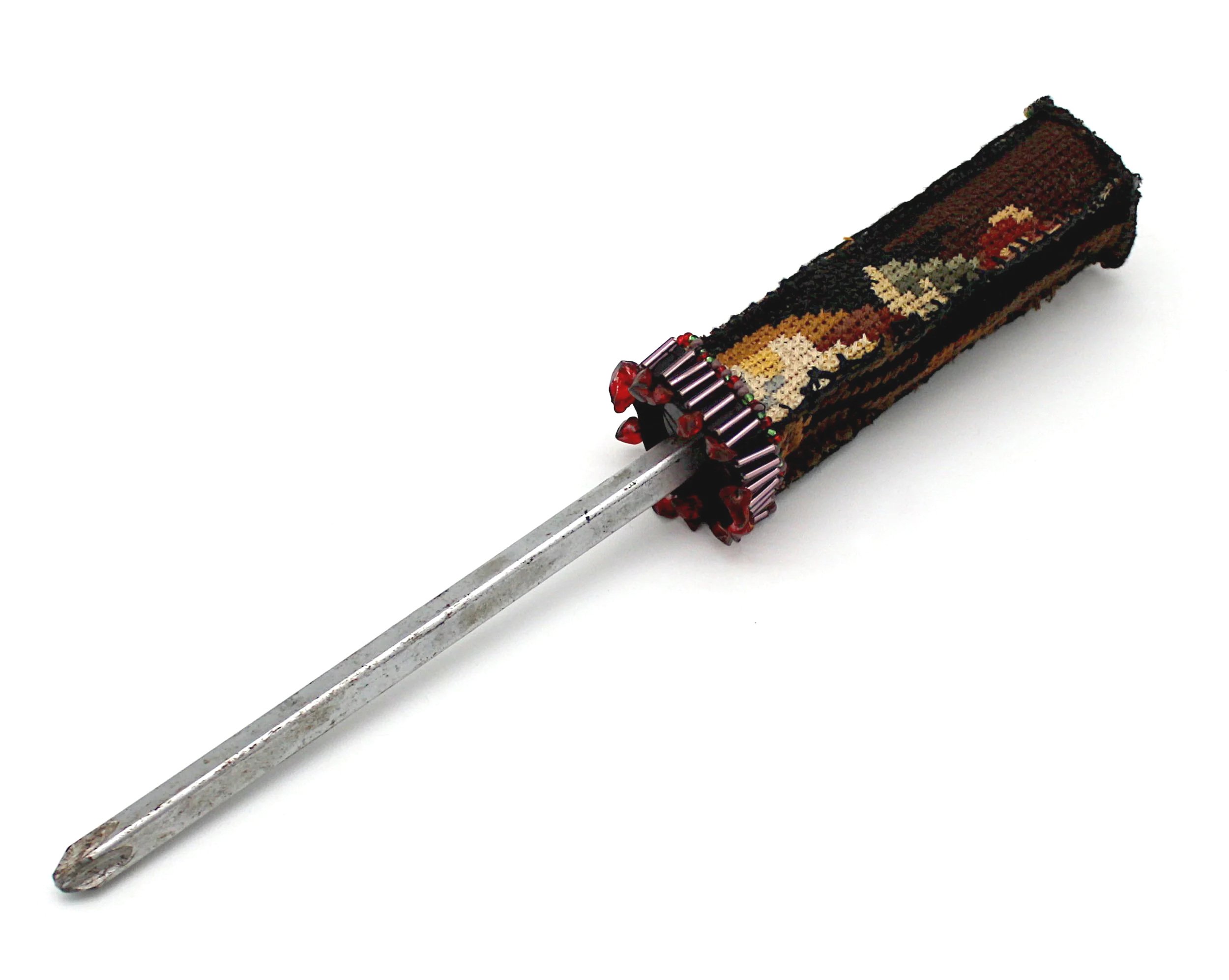
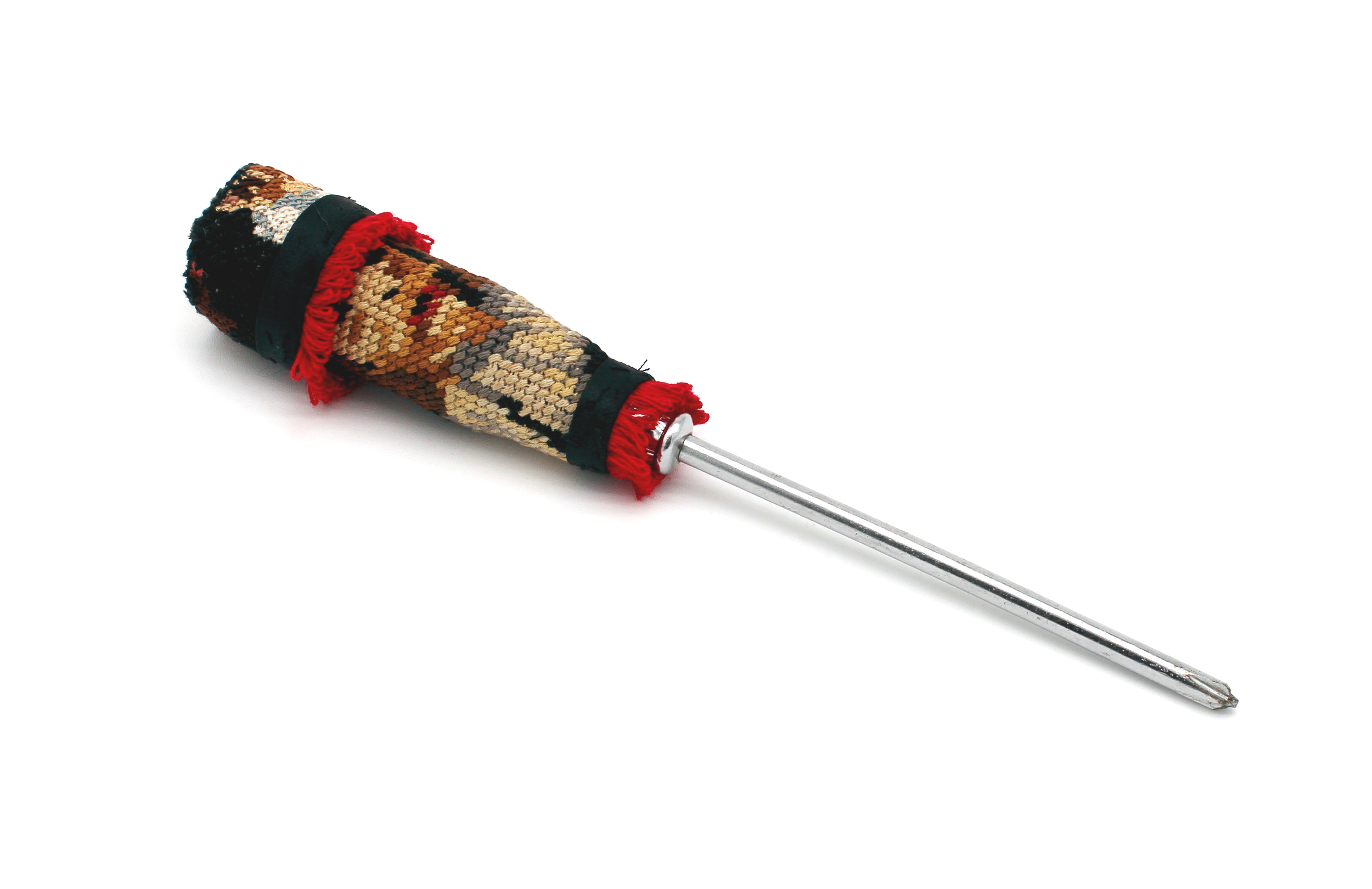
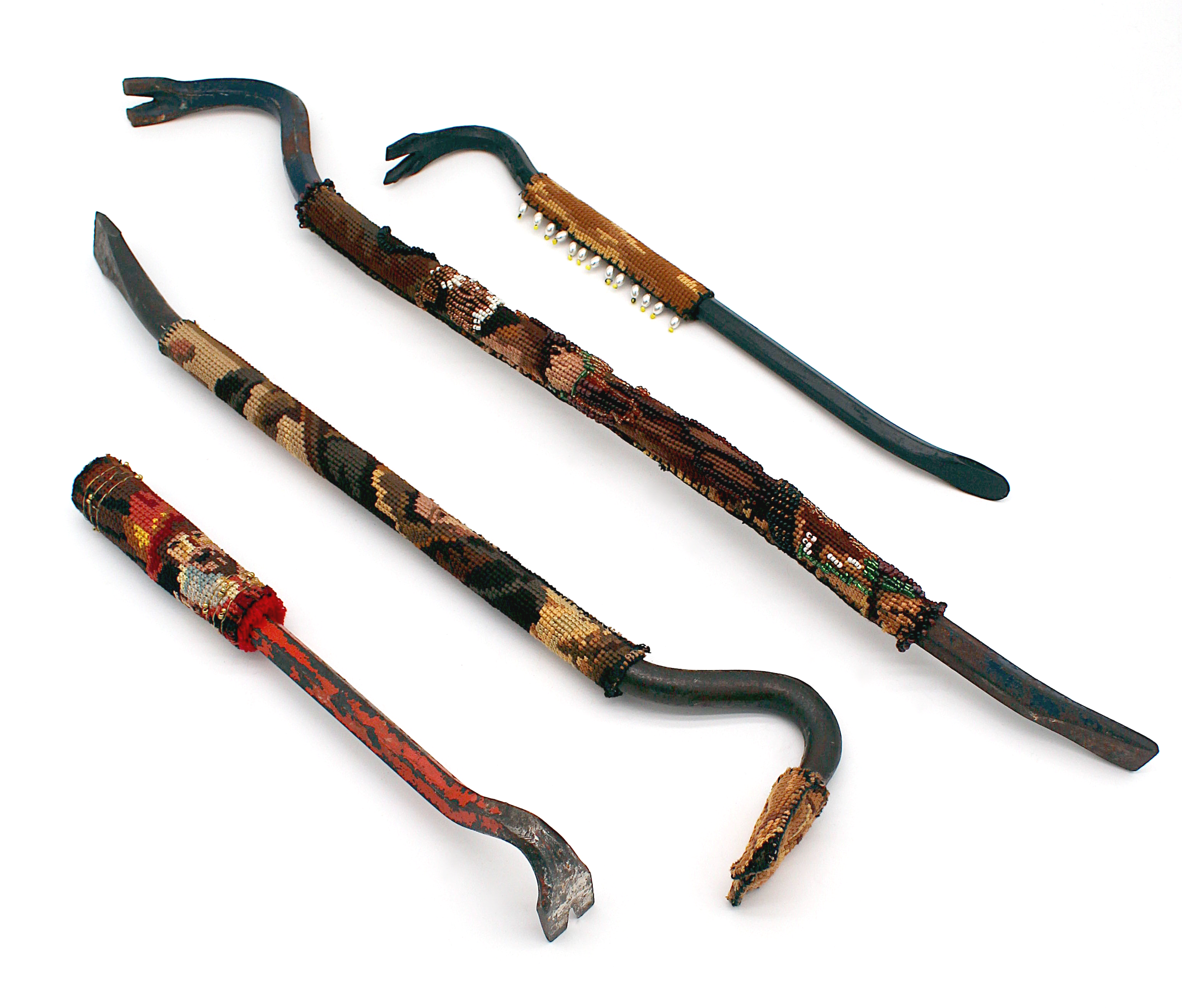
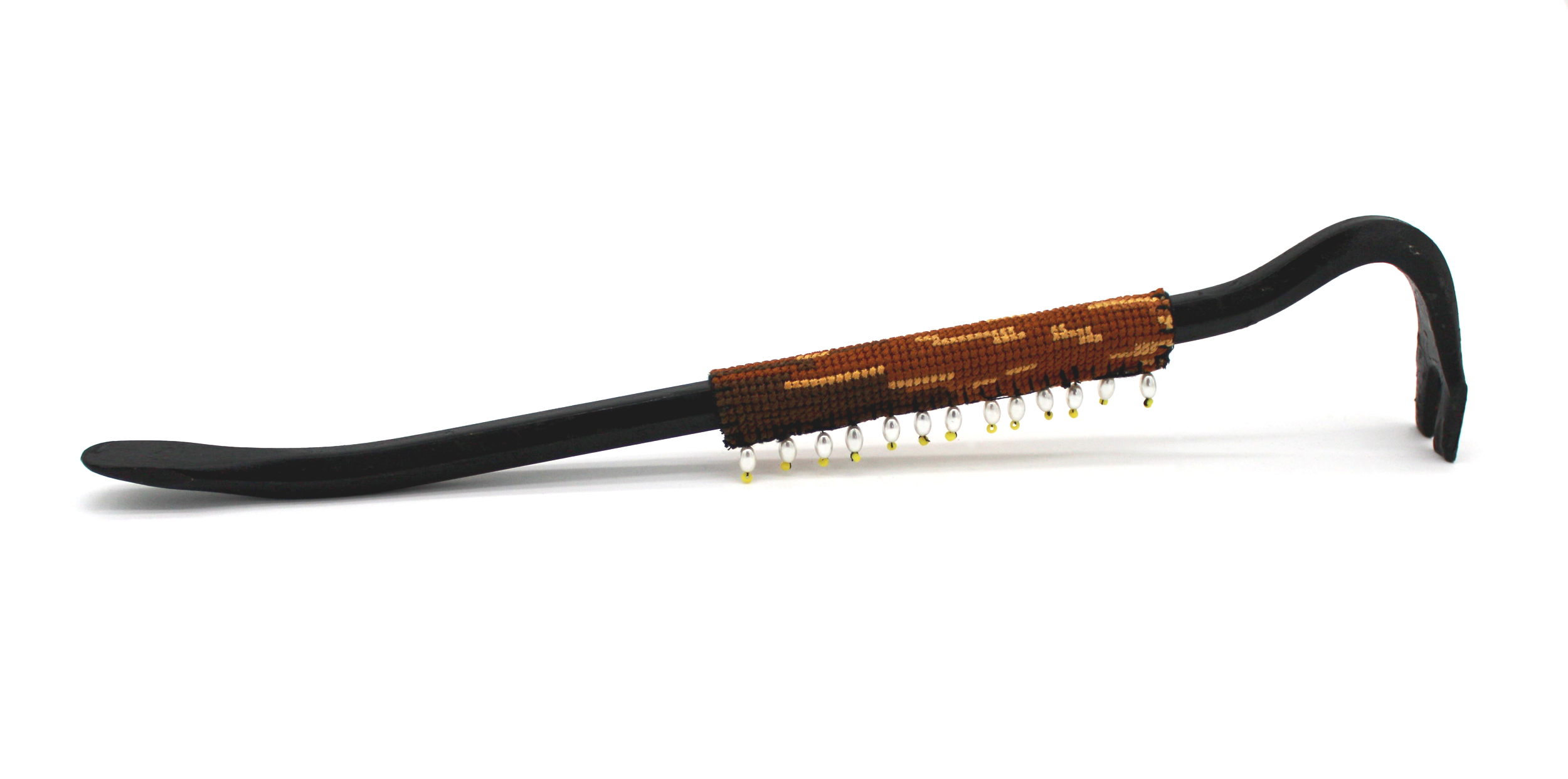
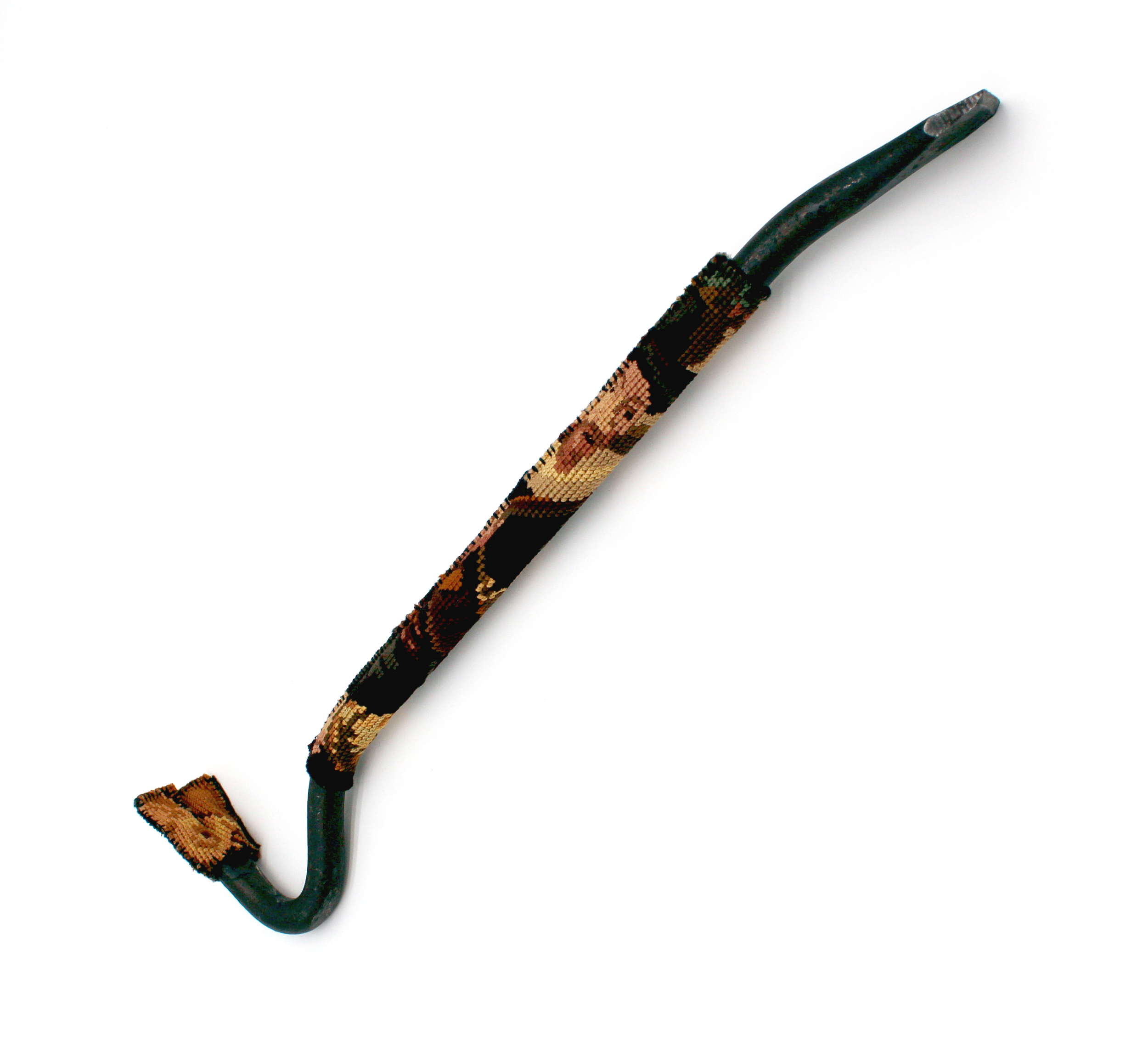
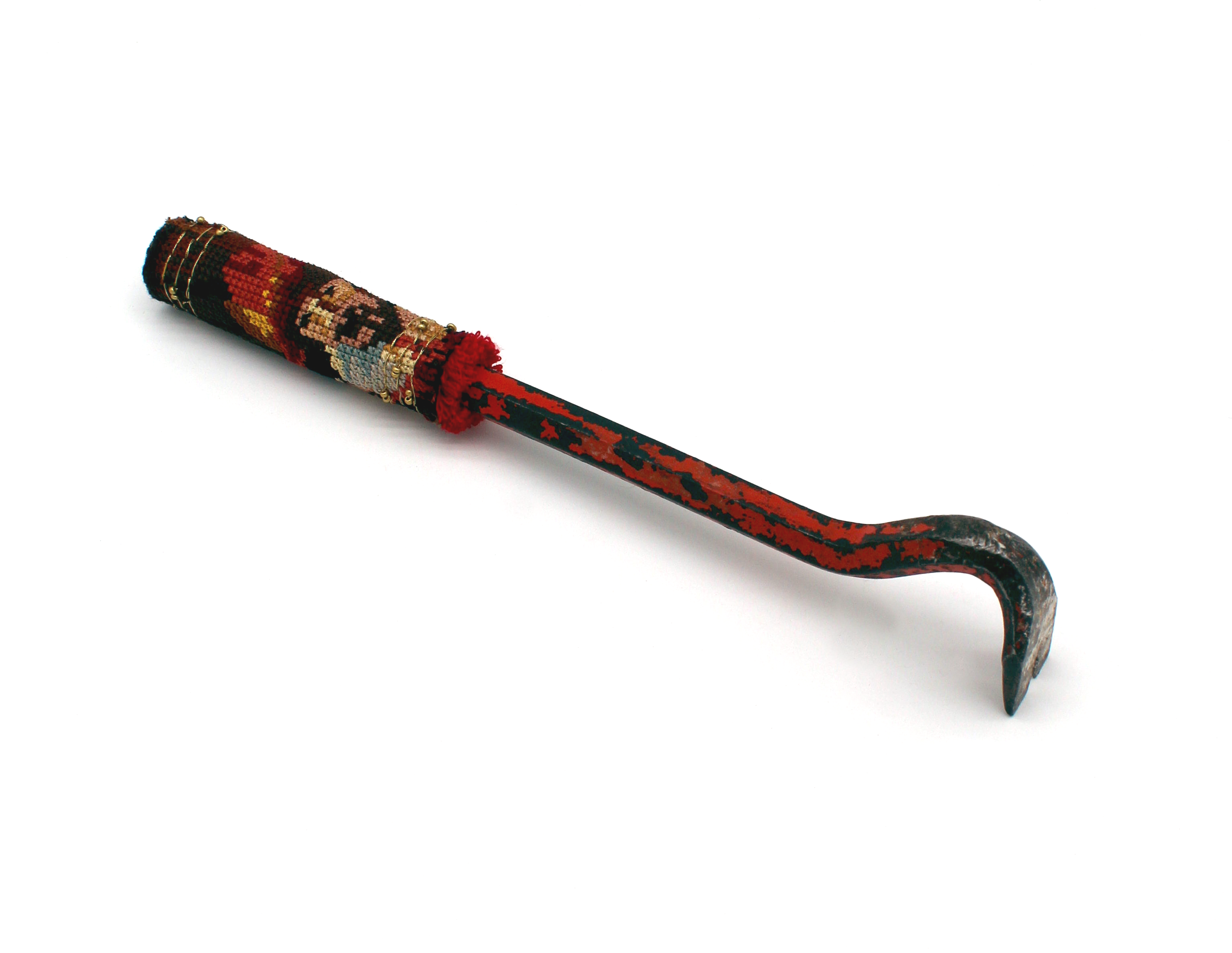
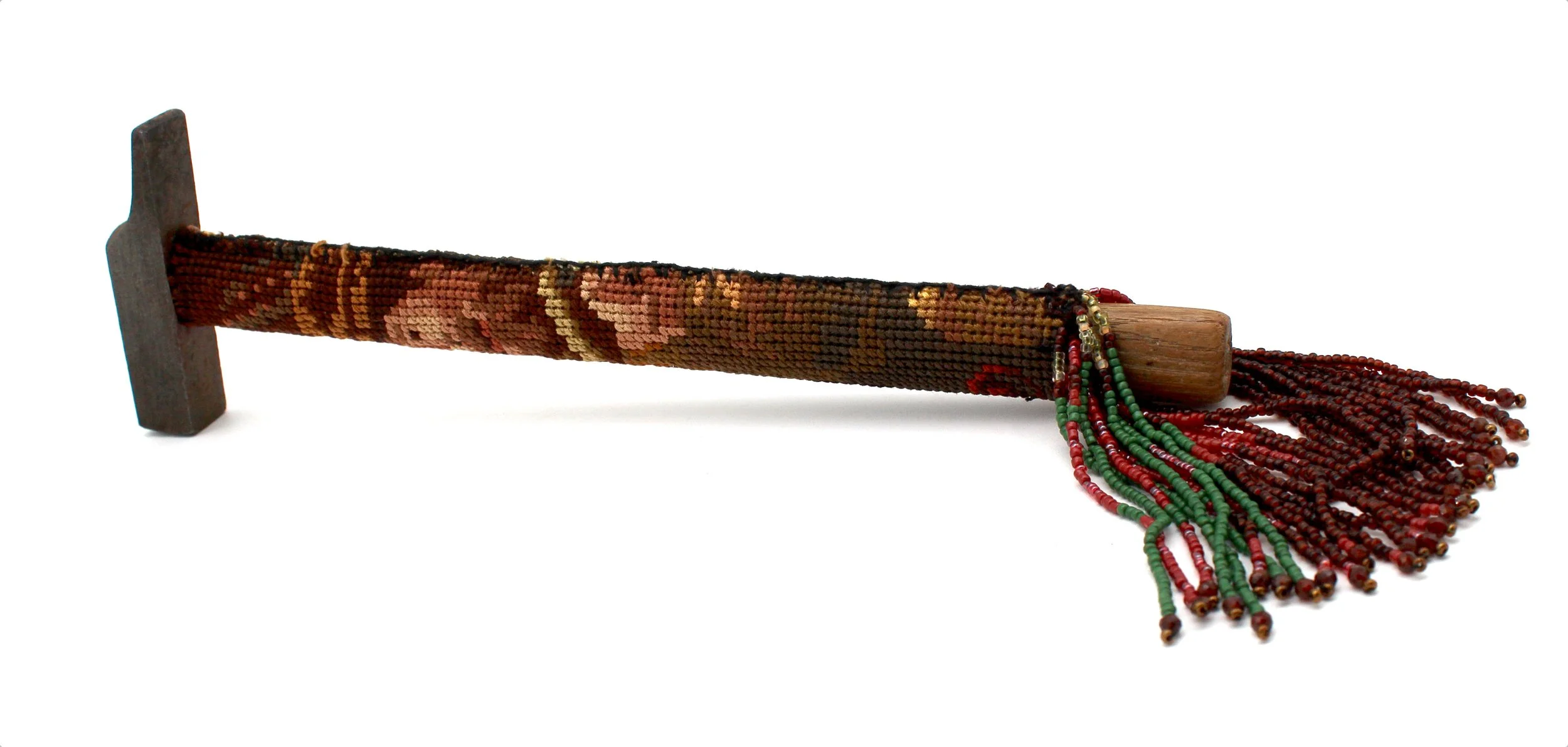
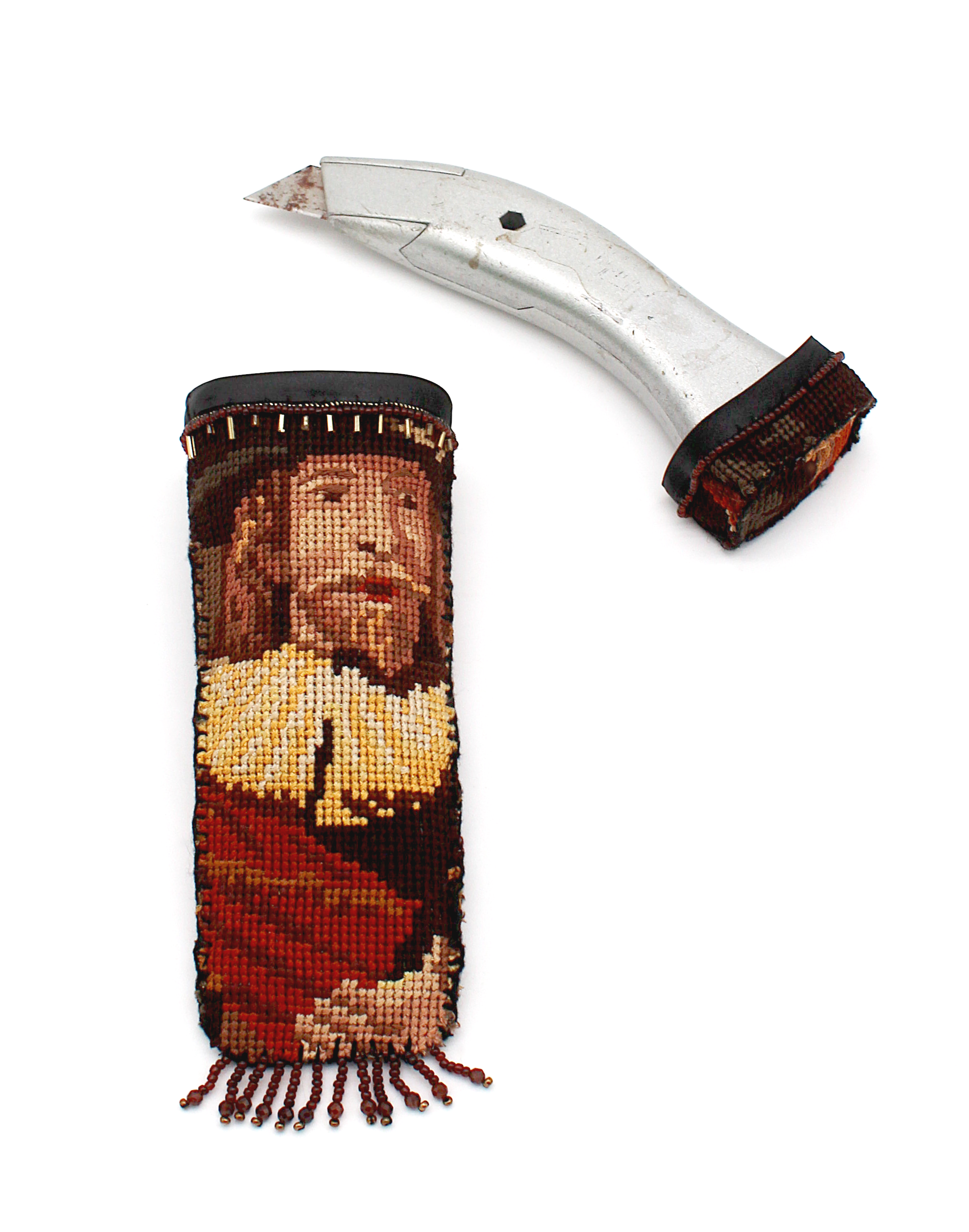
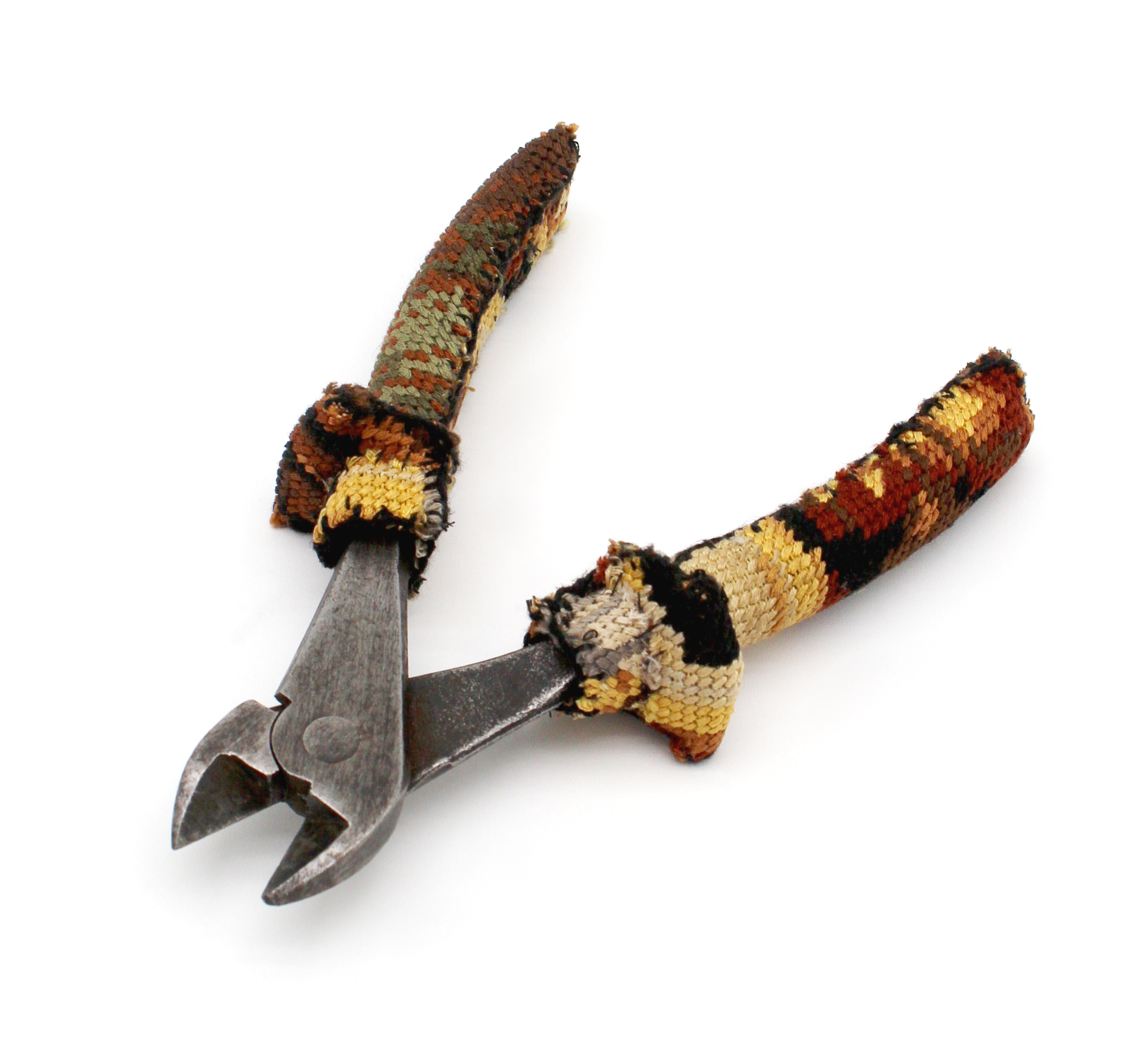
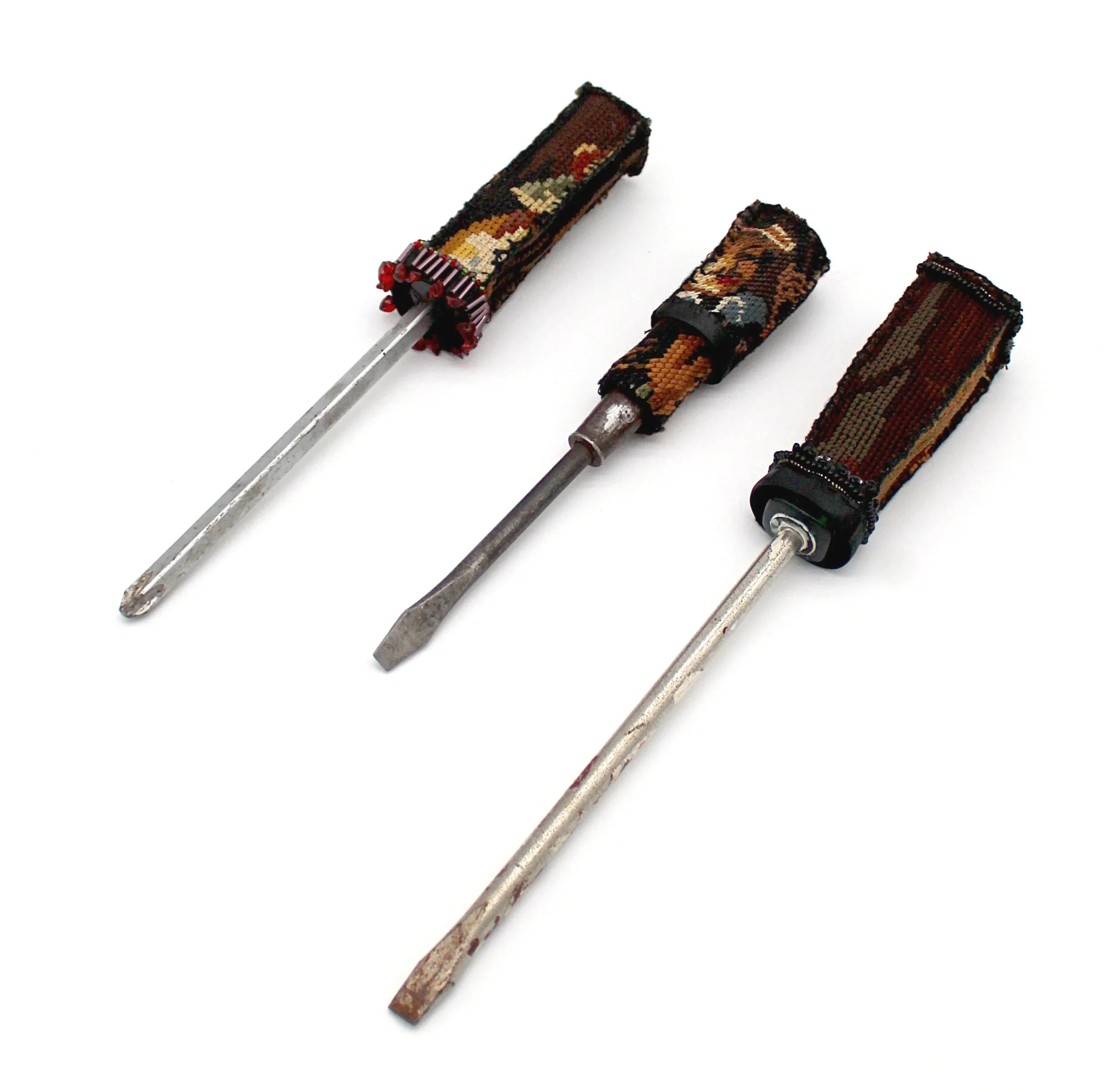
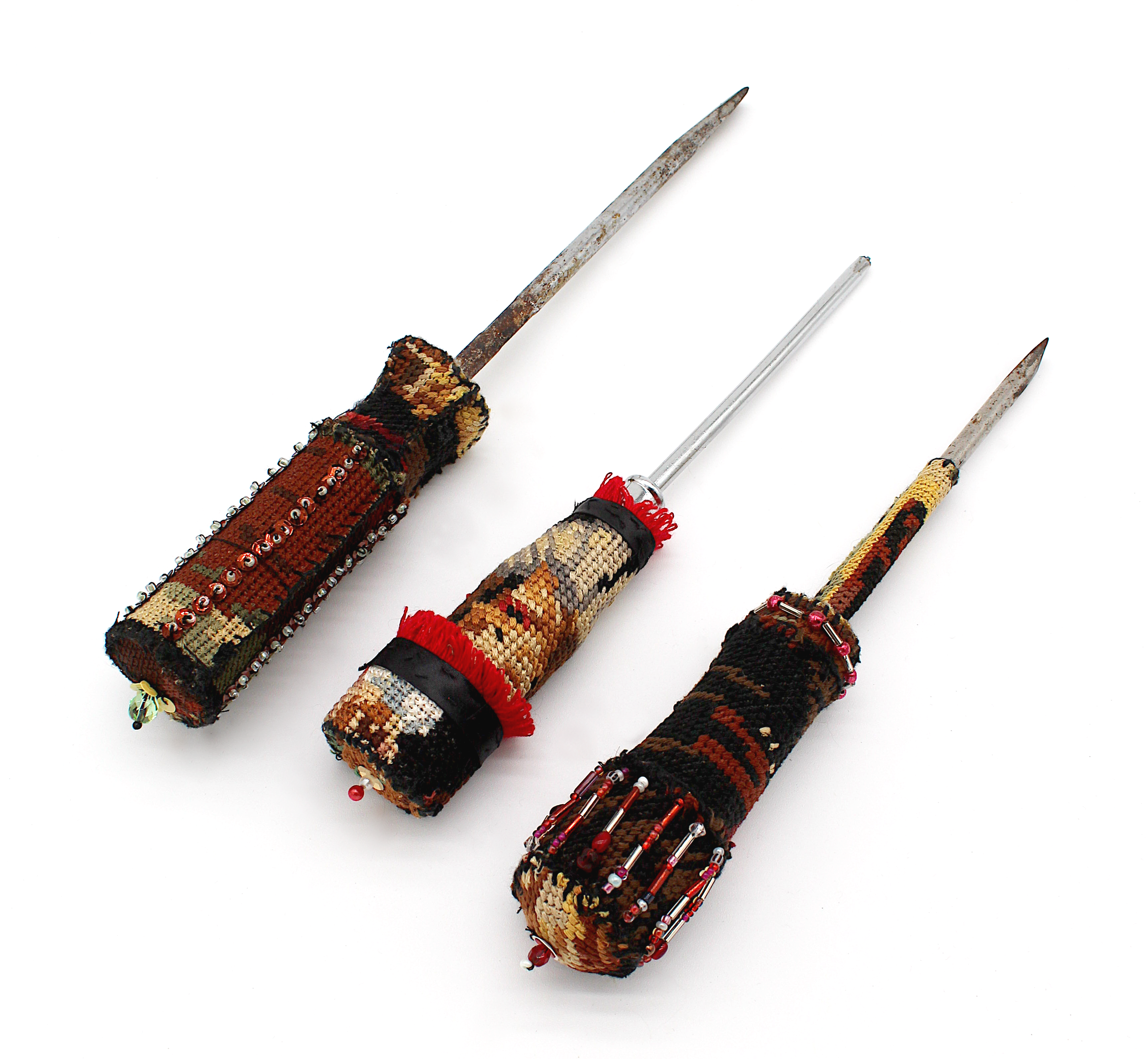
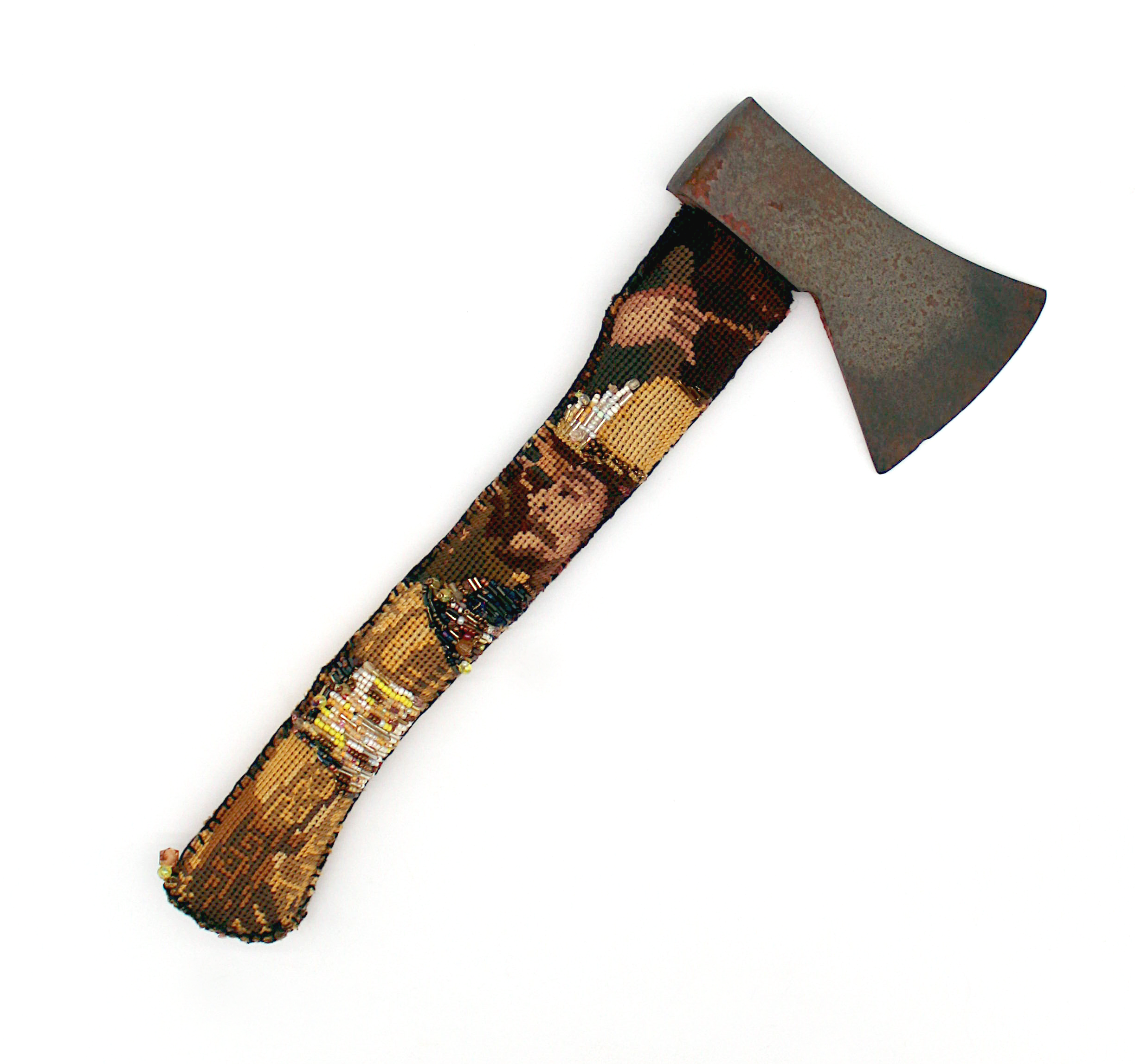
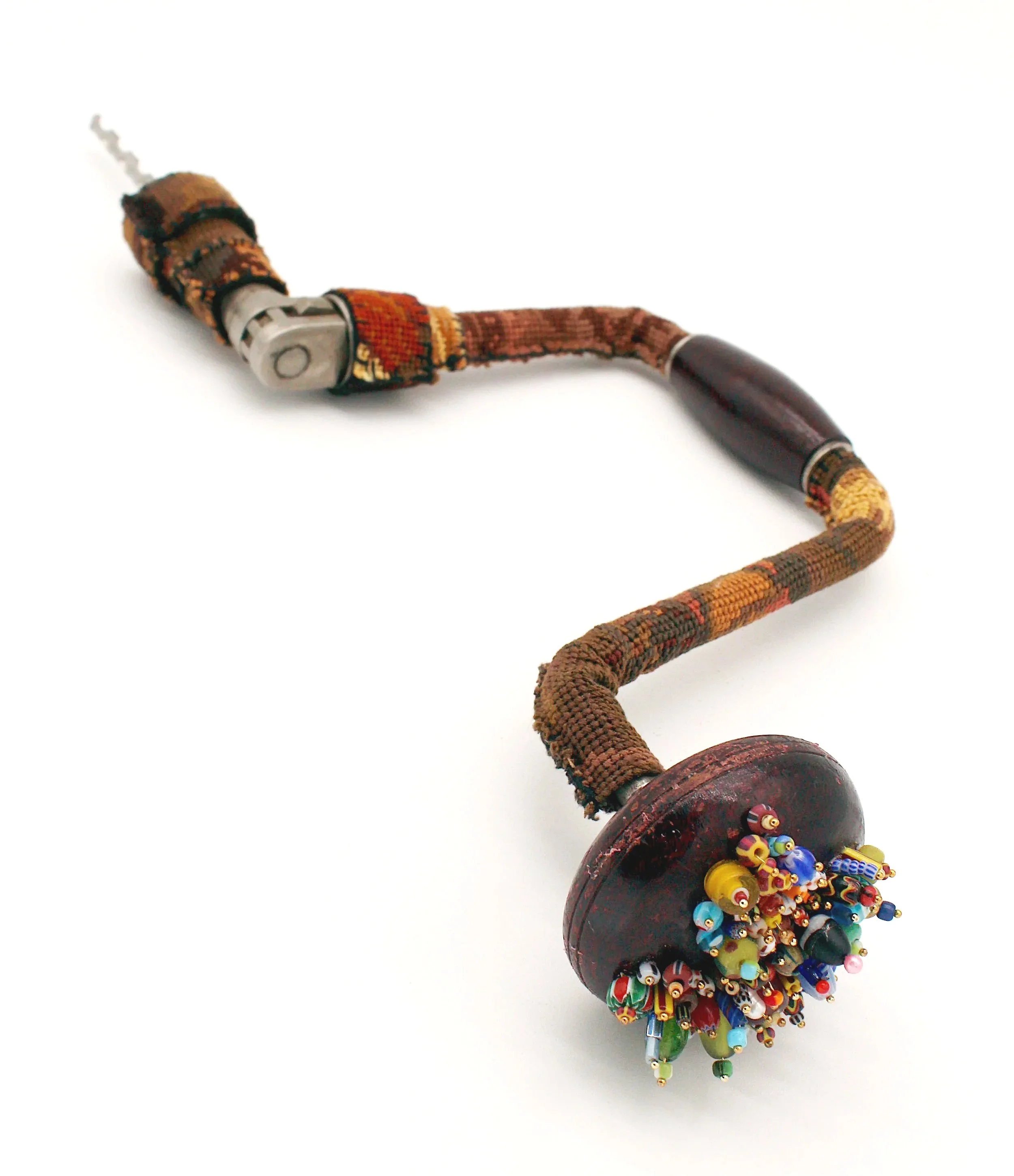
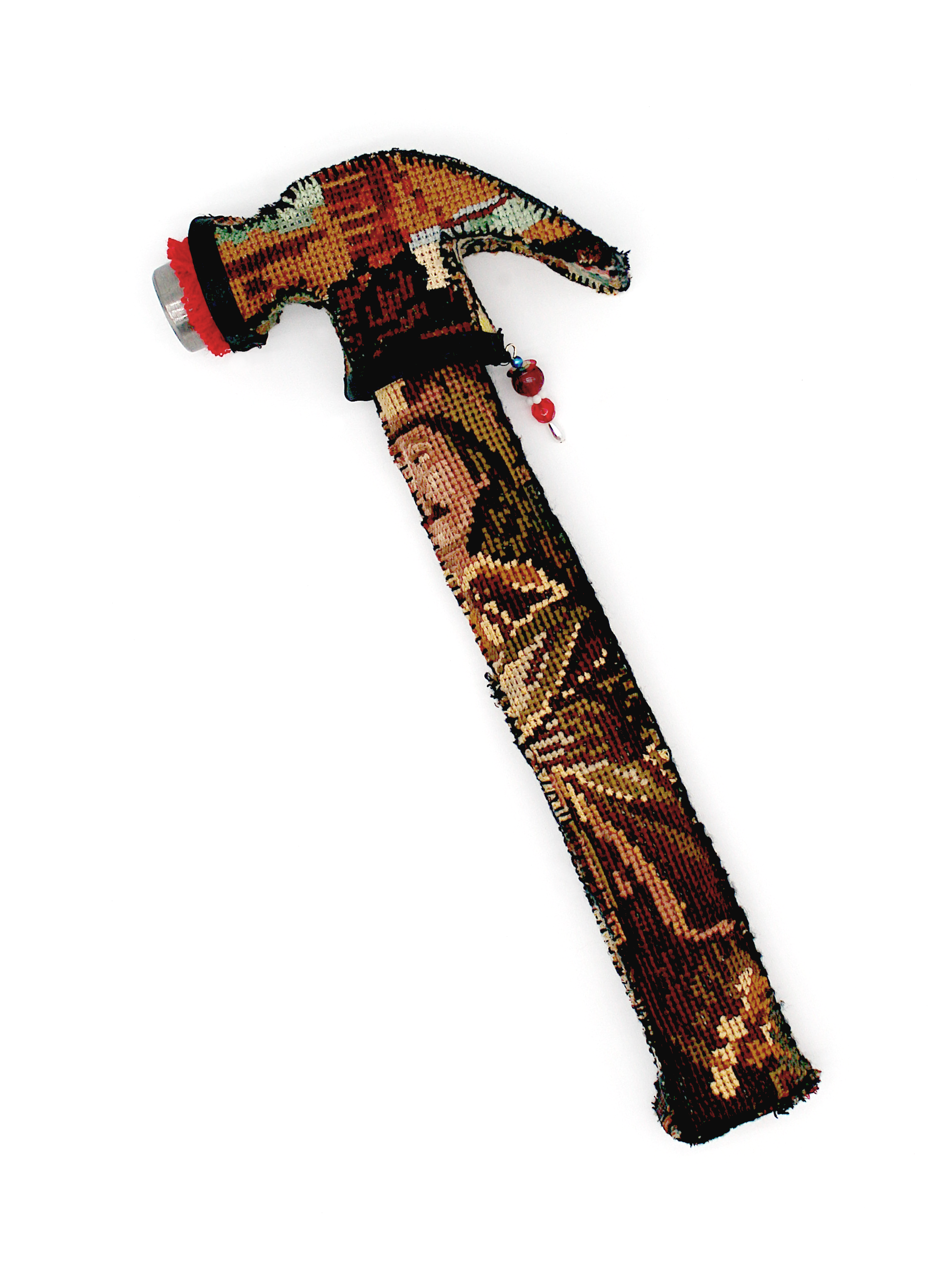
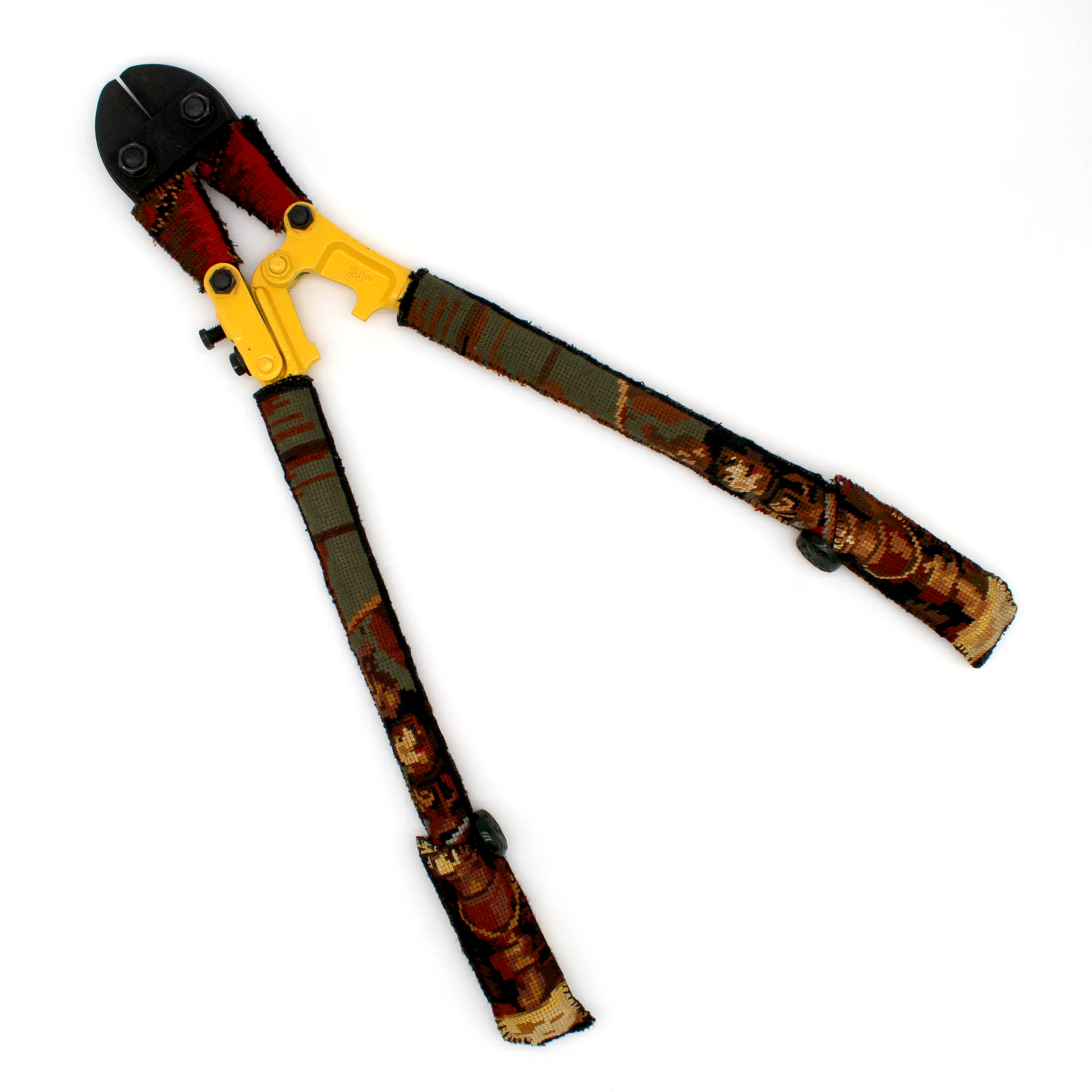
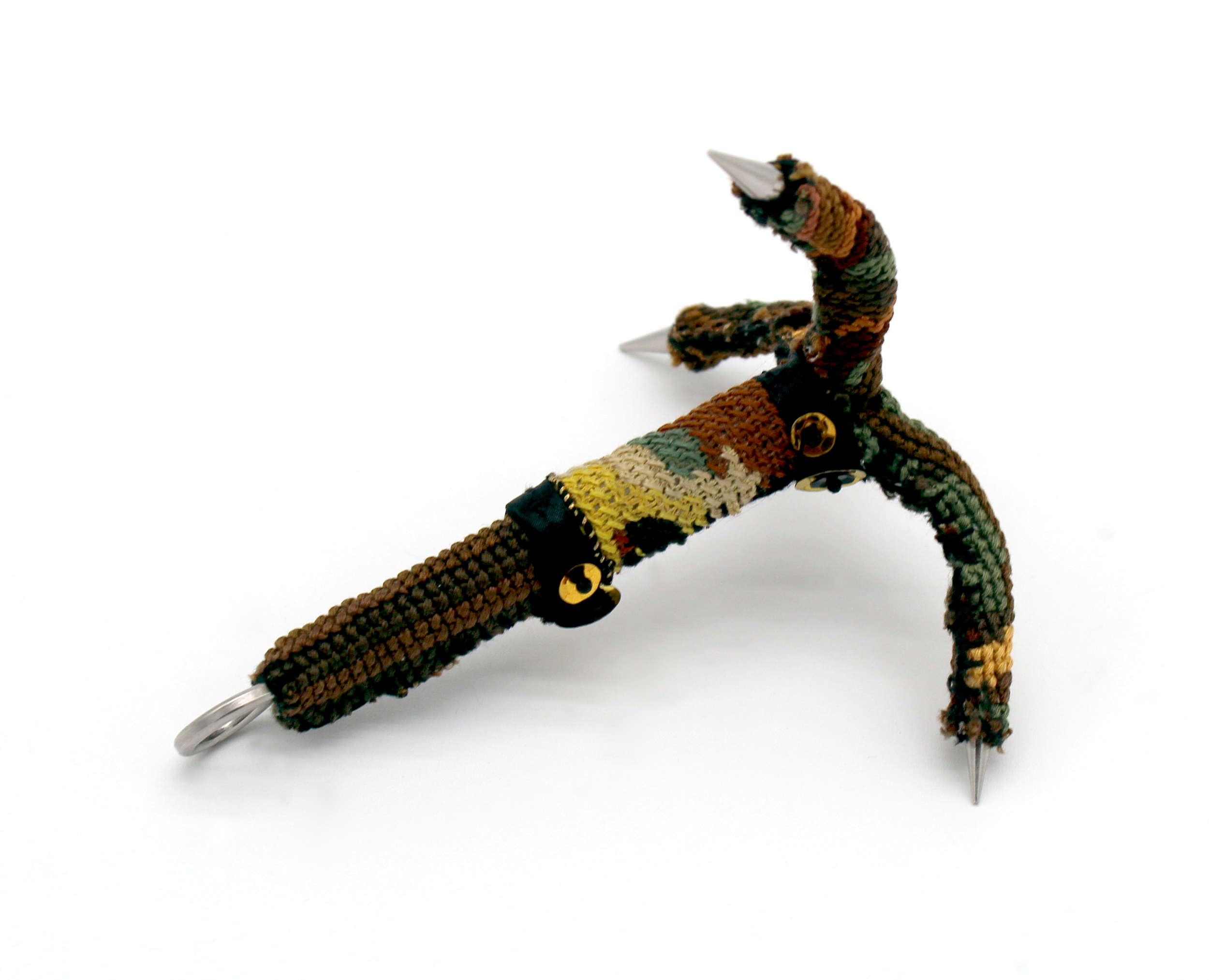
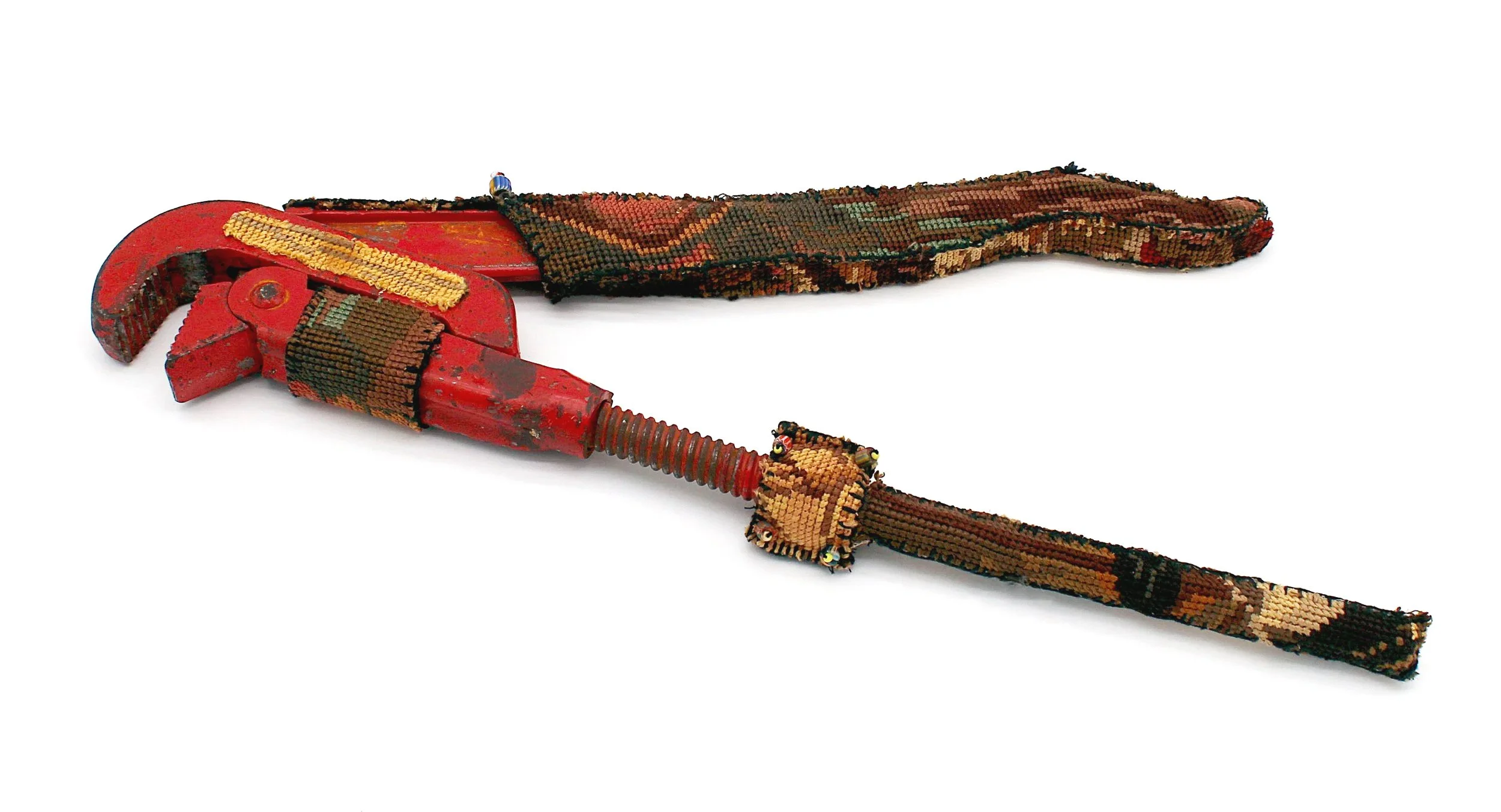
In this series, I have collected various vintage cross-stitches of The Night Watch and used them to “upholster” a collection of burglary tools and accessories; skinning these implements of violence in the thin veneer of civility. However, the way I chose to upholster them has purposefully maintained their original function. The blades on cutting tools, the joints on lever tools, the heads on smashing tools, the points on rotary tools — these have all been left free and undiminished in the upholstering process. The thin veneer of civility is aesthetic; impeding nothing. Security theater as swaddling theater.
When I was creating these pieces, I envisioned them as a swiss army knife of property crime. That they would collectively contain an unparalleled thoroughness and criminal utilitarianism; underscoring the contrast to the pompous artifice of the original painting. Some of these pieces are for breaking and entering and some are for smash and grabs; some leverage stealth while others leverage anonymity; some are tools of convenience and some are tools of professionalism. Together they form an array of options, of tactics, of concrete opportunities. A functional and visual abundance on par with the layered elements of Rembrandt’s original painting with its thicket of lances and various micro-vignettes.